Construction Technology Innovations Shaping the Future
NewsMarch 11, 2025

Embracing Construction Technology Innovations for a Better Future
The construction industry is evolving at a rapid pace, driven by construction technology innovations. These advancements are reshaping how projects are planned, executed, and managed. From automation to sustainable materials, construction technology innovations are enhancing efficiency, safety, and cost-effectiveness across the industry. In this blog, we will explore how these technologies are transforming the construction landscape and paving the way for a brighter future.
1. Building Information Modeling (BIM) and its Impact on Construction
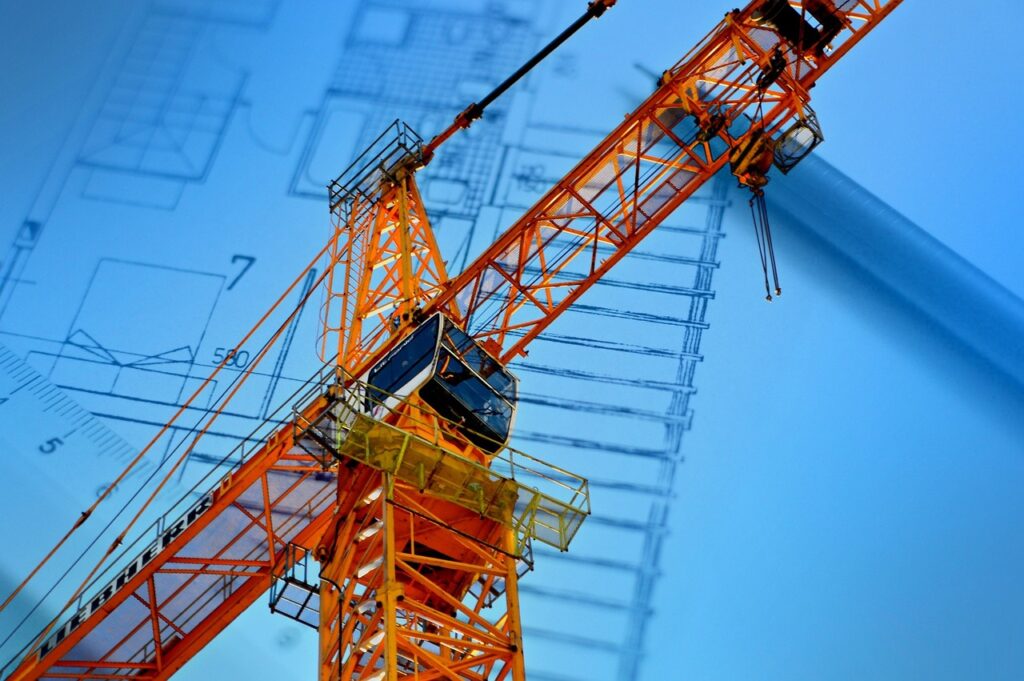
Building Information Modeling (BIM) is one of the most significant construction technology innovations in the industry. BIM enables construction teams to create accurate 3D models before actual construction begins. This technology improves collaboration among architects, engineers, and contractors, which helps reduce design errors and enhances project outcomes. Additionally, real-time updates and predictive analytics make planning and execution more efficient, resulting in timely and cost-effective project completion.
2. Drones: Revolutionizing Site Management and Oversight
Drones are transforming site management and project oversight. These high-tech tools provide aerial surveys, mapping, and real-time progress tracking, allowing construction teams to monitor projects more effectively. As a result, drones not only improve site safety by reducing the need for workers to be in hazardous areas but also help maintain project schedules. Furthermore, using drones can reduce inspection costs, making them a valuable asset to any construction team.
3. Robotics and Automation: Changing the Way Construction Works
The role of robotics and automation in construction is growing rapidly. These technologies are replacing manual labor in repetitive tasks such as bricklaying, welding, and excavation. By improving efficiency and reducing human error, robotics and automation help complete projects faster and more cost-effectively. As these innovations evolve, they will continue to shape the future of construction, providing greater precision and productivity.
4. Sustainable Construction Practices: Building a Greener Future
Sustainable construction practices are becoming increasingly important in the industry. Innovations like self-healing concrete, 3D-printed components, and energy-efficient insulation are helping to minimize environmental impact. In addition, green certifications like LEED are encouraging construction companies to adopt more eco-friendly solutions. By incorporating these sustainable practices, the industry can contribute to building a more environmentally responsible future.
5. Artificial Intelligence and Predictive Analytics: Enhancing Project Management
Artificial Intelligence (AI) and predictive analytics are rapidly transforming how construction projects are managed. AI-powered software helps construction firms predict potential delays, optimize resource allocation, and improve safety on job sites. Additionally, predictive analytics uses data to identify risks early, allowing teams to take proactive measures before problems arise. These innovations make projects more efficient, keeping them on schedule and within budget.
Adopting Construction Technology Innovations for a Competitive Edge
In conclusion, construction technology innovations are shaping the future of the industry. By adopting tools like BIM, drones, robotics, and AI, construction firms can improve project efficiency, safety, and sustainability. Companies that embrace these advancements will be better positioned to stay ahead of the competition. K2 Staffing is here to help you connect with top talent who are experienced in these innovative technologies. Let us assist you in building a workforce that is ready to lead the future of construction.
Construction Recruitment and Construction Staffing are at the core of what we do at K2 Staffing. Our proven track record includes specialized roles like Electrical Engineering Recruiters in Long Beach, Construction Estimator Recruiters in Los Angeles, and Mechanical Engineering Recruiters in Los Angeles. We also connect top professionals through our Construction Superintendent Recruiters in Long Beach and Construction Project Manager Recruiters in Long Beach.
How to Decide Which Technology Is Right for Your Firm
New tools appear constantly, and not every one fits every company. A smart adoption plan starts with problems, not products. Ask what slows your projects, what causes rework, and what puts people at risk. Then look for tools that address those issues.
Start With a Specific Pain Point
A firm that struggles with coordination between trades may gain the most from shared models and better scheduling tools. A firm that loses time on site inspections may benefit from drones. A firm with repetitive tasks and a shortage of labor may explore automation. Matching the tool to the problem keeps spending focused.
Pilot Before You Commit
Test new technology on one project or one team before rolling it out company wide. Set clear goals for the pilot. Decide what you will measure, such as time saved, errors reduced, or feedback from users. A small pilot reveals problems early and builds a group of internal champions.
Consider Total Cost and Support
The purchase price is only part of the cost. Include training time, software subscriptions, maintenance, data storage, and support. Ask vendors how they help customers get started. A tool that your team cannot use well will not deliver value.
Involve the People Who Will Use It
Field crews, project managers, and estimators know where the real friction lies. Ask for their input before you buy. When people help choose a tool, they are more likely to use it and to help others learn. For more on this topic, read about Mechanical Engineers.
Getting More From Building Information Modeling
Many firms use BIM in a limited way. Going deeper can bring more benefit across the project lifecycle.
Coordination Before Construction
When teams combine models for structure, mechanical systems, electrical systems, and plumbing, they can find conflicts on screen instead of in the field. Resolving a clash during design costs far less than fixing it after installation. Regular coordination meetings built around the model keep every trade aligned.
Support for Estimating and Scheduling
Models can carry information about quantities and materials. Estimators can use this to build more accurate takeoffs. Schedulers can link model elements to tasks and review sequences visually. This helps teams spot problems with access, storage, and the order of work.
Handover and Facility Management
At the end of a project, a well-built model can support the owner. It can hold information about equipment, warranties, and maintenance needs. Owners value this, and contractors who provide it can strengthen their relationships.
Practical Uses for Drones and Field Technology
Drones are only one part of a growing set of field tools. Together, these tools help teams see more, measure faster, and respond sooner.
Progress Documentation and Communication
Regular aerial images give owners and managers a clear view of progress. They help resolve disputes about what was done and when. Teams can compare images over time to confirm that work follows the schedule. For more detail, see BLS civil engineers.
Site Planning and Safety Reviews
Aerial views help planners review access routes, laydown areas, and traffic flow. Safety managers can look at roofs, tall structures, and other hard-to-reach places without sending a person up. Drone use does require trained pilots and attention to rules, so firms should confirm that operators meet all requirements.
Mobile Devices and Cloud Platforms
Tablets and phones put drawings, checklists, and photos in the hands of workers. Cloud platforms keep everyone on the latest version of documents. This reduces mistakes that come from outdated plans. It also speeds up reporting and approvals.
Wearables and Connected Equipment
Some firms use sensors and wearable devices to monitor equipment use, location, or worker conditions. These tools can support safety and maintenance, but they raise privacy questions. Explain clearly what data you collect and why, and follow all applicable rules.
Automation, Robotics, and the Role of People
Automation can help with repetitive or dangerous tasks. It does not remove the need for skilled workers. It changes the work they do.
New Responsibilities for Skilled Workers
Someone must set up, supervise, and maintain automated equipment. Someone must also check that the output meets quality standards. Workers who understand both the craft and the technology are well placed for these roles.
Safer Work for Dangerous Tasks
Machines can handle some tasks in hazardous conditions, such as work at height or in confined spaces. This can reduce exposure to harm. Even so, humans must plan the work, set safe zones, and respond to the unexpected.
Where Human Judgment Still Leads
Construction sites change constantly. Weather, site conditions, and design changes require judgment and flexibility. Experienced tradespeople spot problems that machines may miss. The best results come from teams that combine human skill with reliable tools.
Building the Workforce for a Technology-Driven Industry
Technology only helps when the right people use it well. Hiring and training must keep pace with the tools you adopt.
Skills to Look For
Companies now look for modelers and coordinators, drone operators, data-minded project managers, and tradespeople who are comfortable with digital tools. Soft skills matter too. Workers must communicate across disciplines and learn quickly as tools change. For more on this topic, read about Project Manager.
Training Existing Staff
Upskilling current employees is often the fastest route. Offer short courses, vendor training, and time to practice. Pair less experienced users with those who learn fast. Recognize and reward people who help others adopt new methods.
Recruiting With Technology in Mind
When you hire, state clearly which tools and systems the role uses. Ask candidates about the software and equipment they have used and how they learn new ones. A specialist recruiter can help you find people who combine field experience with technology skills.
Common Pitfalls to Avoid
Technology projects can disappoint when they are poorly planned. Knowing the common mistakes can help you avoid them.
Buying Tools Without a Plan
A flashy tool with no clear use goes unused. Always define the goal, the owner, and the measure of success before you buy.
Skipping Training and Change Management
People resist change when they do not understand it. Explain why you are adopting a tool, how it helps them, and what support they will receive. Listen to concerns and adjust.
Ignoring Data Quality and Security
Digital tools are only as good as the information they hold. Set rules for naming files, updating models, and entering data. Protect sensitive project information with proper access controls and backups.
Technology and Safety on the Job Site
Safety is one of the strongest reasons to adopt new tools. When used well, technology helps teams find hazards sooner, plan work more carefully, and keep people out of harm.
Planning Safer Work in Advance
Digital models let teams walk through a sequence before work starts. They can see where cranes will operate, where openings will exist, and where trades will overlap. Safety managers can use this view to plan protection, access, and exclusion zones. Planning on screen is cheaper and safer than discovering a problem on site.
Faster Inspection and Reporting
Mobile checklists make it easy to record inspections, attach photos, and assign follow-up tasks. Managers see issues in real time and can confirm that fixes are complete. A clear digital record also helps teams spot patterns, such as repeated problems in one area. For more detail, see AGC workforce survey.
Training With Better Tools
Short video lessons, simulations, and digital quizzes can support traditional safety training. They help workers practice decisions in a safe setting. Training works best when it is paired with hands-on instruction and honest conversation about real site conditions.
Do Not Replace Human Attention
Tools support safety, but they cannot replace attentive people. Every worker must still look out for hazards and speak up. Leaders should reinforce that technology is an aid and that everyone shares responsibility for safe work.
Technology and Sustainability Goals
Many owners now ask contractors to reduce waste and energy use. Technology can help firms respond to those requests in a measurable way.
Reducing Waste Through Better Planning
Accurate models and quantity data help teams order the right amount of material. Prefabrication planning can reduce waste on site. Tracking deliveries and storage can also reduce damage and loss.
Tracking Performance
Digital tools can record materials, equipment use, and energy needs. This data helps firms report results to owners and look for ways to improve. Clear records can also support certification efforts.
Choosing Materials Wisely
Product data in digital form makes it easier to compare options. Teams can review performance, durability, and environmental information together. Good choices at the design stage lead to better outcomes over the life of a building. For more on this topic, read about Staffing Decisions.
How Small and Mid-Sized Firms Can Get Started
You do not need a large budget to begin. Many successful firms started with one or two practical steps and built from there.
Choose a Champion
Name one person to lead the effort. This person should be curious, respected by peers, and able to explain tools in plain language. Give them time and support to learn and to help others.
Set a Short List of Goals
Pick two or three goals for the year. For example, you might aim to cut rework, speed up reporting, or improve site safety checks. Share the goals with the team and review progress regularly.
Learn From Partners and Peers
Talk to other contractors, vendors, trade groups, and your staffing partner. Ask what worked, what failed, and what they would do differently. Shared experience can save you time and money.
Measuring the Return on Technology
Leaders want to know whether a tool is paying off. Clear measures make that answer easy to find and help you decide what to expand or drop.
Choose Simple Measures
Pick a few measures that link to your goals. These could include hours spent on reporting, number of change orders caused by coordination errors, time to close out inspection items, or user satisfaction. Record a baseline before you begin so you can compare later.
Gather Feedback From Users
Numbers tell part of the story. Talk with the people who use the tool every day. Ask what saves time, what frustrates them, and what they would change. Their answers often point to easy improvements.
Review and Adjust
Set a regular time, such as every quarter, to review results. Retire tools that do not help. Expand those that do. Keep your technology plan flexible, since both your projects and the tools will keep changing.
Share Wins With the Team
When a tool helps a crew finish sooner or avoid a problem, tell the story. Real examples build trust and encourage others to try the tool. Recognition for early adopters helps the whole company move forward together.
Frequently Asked Questions
Is construction technology only for large firms?
No. Many tools suit small and mid-sized firms, especially mobile apps and cloud platforms. Start with the problem that costs you the most and pick tools that fit your size and budget.
Will technology replace construction workers?
Technology changes the work, but skilled people remain essential. Tools handle some repetitive tasks, while workers manage quality, safety, and decisions that require judgment.
What skills should I look for in a tech-savvy hire?
Look for familiarity with the relevant software, willingness to learn, clear communication, and field awareness. The exact mix depends on the role.
How can a staffing partner help with technology roles?
A staffing partner can find candidates who match your technical needs, screen for relevant experience, and present options quickly. This helps you build a team ready to use new tools well.
Next Steps
Ready to build a team that can put construction technology to work? K2 Staffing is here to help.
- Contact K2 Staffing to discuss the technical roles your projects need.
- Ask about candidates with experience in modeling, field technology, and project controls.
- Talk with us about temporary and permanent hiring options.
- Reach out today to start planning your next hire.
Related Posts
- How Project Managers Can Better Track Workforce Performance in Real Time
- Why Mechanical Engineers Are Essential in Sustainable Building Projects
- Early-Year Workforce Planning Mistakes That Cost Contractors Time and Margin
- The Real Cost When Safety Managers Leave Mid Project
- How Contractors Use Analytics to Make Better Hiring Decisions
- Hiring a Construction Project Manager in Los Angeles? Why Specialized Recruiters Matter