

Summer Heat Safety Requirements That Change Field Engineering Recruitment Needs
Hiring ResourcesJune 8, 2026
How Heat Safety Regulations Are Reshaping Field Engineering Roles
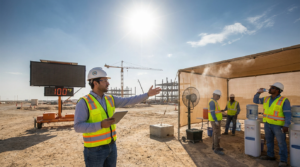
The July sun beats down mercilessly on a Phoenix construction site as field engineers scramble to adjust their inspection schedules. What would have been routine morning-to-evening surveys just two years ago now require strategic timing, mandatory rest periods, and specialized safety protocols. This isn’t just about worker comfort anymore—it’s about federal compliance, liability protection, and ensuring project continuity when temperatures soar past safe working thresholds.
Construction companies are discovering that summer heat safety isn’t just an operational challenge; it’s fundamentally changing the skill sets and certifications they need in their field engineering teams. The engineers who can navigate both technical requirements and heat safety protocols are becoming the most valuable hires of the season.
New OSHA Heat Illness Prevention Standards for 2024
OSHA’s updated heat illness prevention standards have introduced mandatory rest breaks every two hours when temperatures exceed 80°F, with additional requirements for shade structures and water access within 200 feet of work areas. Field engineers now carry dual responsibilities: completing their technical assessments while ensuring their teams comply with these time-sensitive safety requirements.
The new standards require employers to develop written heat illness prevention plans that include specific protocols for acclimatization periods. This means field engineers overseeing new hires must implement seven-day gradual exposure schedules, documenting each worker’s adaptation progress. For staffing teams, this creates demand for engineers who understand both the technical and administrative sides of heat safety compliance.
Temperature monitoring has become a critical engineering function, with field teams required to track heat index readings every hour during peak conditions. Engineers who can integrate weather data into project planning while maintaining safety standards are commanding premium placement rates in summer staffing scenarios.
State-Level Heat Safety Requirements and Regional Variations
California’s heat illness prevention regulation goes beyond federal standards, requiring immediate access to shade when temperatures reach 80°F and mandatory cooldown periods during extreme heat warnings. Arizona has implemented similar but distinct requirements, creating a patchwork of compliance needs that field engineers must navigate when working across state lines.
Texas requires heat safety training specific to outdoor work environments, while Nevada mandates additional hydration protocols for projects above certain elevations. Field engineers working multi-state projects need familiarity with varying requirements—a skill set that wasn’t part of traditional engineering curricula but has become essential for construction workforce management.
These regional variations affect staffing strategies significantly. Companies operating across multiple states need engineers who can quickly adapt to local requirements rather than learning on the job. The days of transferring an engineer from a Minnesota project to Arizona without additional training are over.
Impact on Daily Work Schedules and Project Timelines
Traditional 7 AM to 6 PM field schedules have given way to split shifts and modified hours that accommodate heat safety requirements. Field engineers now plan inspections and surveys for early morning and late afternoon windows, fundamentally altering project workflows that have remained unchanged for decades.
Project timelines now include heat delay contingencies, with engineers building 15-20% additional time into summer schedules to account for mandatory rest periods and potential heat-related work stoppages. This shift requires engineers who excel at adaptive project management rather than rigid schedule adherence.
The most successful summer field engineers have developed expertise in rapid task prioritization, ensuring critical inspections happen during cooler hours while less time-sensitive work gets scheduled around heat restrictions. This operational flexibility has become a key differentiator in summer hiring decisions.
Documentation and Compliance Responsibilities for Field Teams
Heat safety compliance generates substantial documentation requirements that field engineers must manage alongside their technical responsibilities. Daily heat exposure logs, rest period verification, and incident reporting have become standard administrative functions that require both attention to detail and real-time decision-making skills.
Field engineers must now maintain digital records of temperature readings, work hour modifications, and safety protocol implementations. This documentation serves dual purposes: ensuring OSHA compliance and protecting companies from liability claims. Engineers who can seamlessly integrate these administrative requirements into their field operations are increasingly valuable for summer projects.
The most effective engineering recruitment strategies now prioritize candidates who demonstrate both technical competency and administrative reliability. Companies need field engineers who understand that compliance documentation isn’t busy work—it’s essential project infrastructure that keeps teams working safely through extreme heat conditions.
Essential Qualifications and Certifications for Summer Field Work
Heat Safety Training and First Aid Certification Requirements
The scorching summer months demand field engineers who possess comprehensive heat illness prevention training beyond basic safety protocols. OSHA’s Heat Injury and Illness Prevention standards now require workers in high-risk environments to complete specialized certification programs that cover heat stress recognition, prevention strategies, and immediate response procedures.
First aid certification has evolved to include heat-specific medical emergencies. Field engineers must now demonstrate proficiency in identifying early signs of heat exhaustion, heat stroke, and dehydration. This means engineering recruitment teams are prioritizing candidates with current CPR certification, wilderness first aid training, and heat illness response credentials from recognized organizations like the American Red Cross or National Safety Council.
Construction projects operating in temperatures exceeding 90°F require at least one certified heat safety monitor per crew. This specialized role demands additional training in environmental monitoring, work-rest cycle management, and crew rotation protocols. The certification process typically involves 16-24 hours of instruction covering physiological responses to heat stress, fluid replacement strategies, and emergency evacuation procedures.
Many firms now require annual recertification rather than the traditional three-year cycle. Why? Because heat-related incidents spike dramatically during the first heat wave of each season when workers haven’t yet acclimatized to extreme temperatures. Fresh training ensures teams stay current on evolving safety protocols and equipment updates.
Equipment Operation in High-Temperature Environments
Operating heavy machinery and precision instruments in extreme heat presents unique challenges that standard equipment training doesn’t address. Hydraulic systems can overheat at 110°F, causing equipment failure that delays critical project milestones. Field engineers must now understand thermal limits for surveying instruments, concrete testing equipment, and electronic monitoring devices.
Summer-specific equipment skills include calibrating instruments for thermal expansion, managing battery life in extreme heat, and implementing cooling protocols for sensitive electronics. GPS units, laser levels, and data collectors all require modified operating procedures when ambient temperatures exceed manufacturer specifications. This technical knowledge gap has created new requirements for construction labor shortage hiring strategies.
Personal protective equipment (PPE) selection becomes critical during summer months. Field engineers must demonstrate competency with cooling vests, moisture-wicking fabrics, and heat-resistant safety gear. Understanding the thermal properties of different materials can mean the difference between productive work sessions and dangerous overheating incidents.
Equipment maintenance schedules shift dramatically during summer operations. Hydraulic fluid changes occur twice as frequently, air filtration systems require daily inspection, and electronic calibration drifts faster in high temperatures. Field engineers who understand these seasonal maintenance requirements bring immediate value to project teams.
Weather Monitoring and Risk Assessment Skills
Real-time weather monitoring has become a core competency for summer field work. Engineers must interpret heat index calculations, humidity readings, and wind speed data to make informed decisions about work continuity. The ability to read NOAA heat advisories and translate meteorological data into actionable safety protocols distinguishes qualified candidates from basic technicians.
Risk assessment now includes hourly temperature tracking and work-rest cycle adjustments. Field engineers calculate safe exposure limits using wet-bulb globe temperature (WBGT) measurements rather than simple air temperature readings. This sophisticated approach requires training in environmental monitoring equipment and data interpretation skills.
Modern construction sites rely on digital weather stations that provide continuous data feeds to project management software. Engineers must understand how to integrate weather data with project scheduling systems, adjusting daily work plans based on predicted heat indices. This technological competency wasn’t required five years ago but has become standard for summer operations.
Microclimatic awareness sets experienced engineers apart. Understanding how concrete surfaces, asphalt, and metal structures create localized heat zones enables smarter work scheduling and crew deployment. This knowledge prevents costly delays and reduces heat stress incidents.
Emergency Response Protocol Knowledge
Heat-related medical emergencies require immediate, specialized response protocols that differ significantly from standard first aid procedures. Field engineers must know when to initiate cooling procedures, how to safely transport heat stroke victims, and which cooling methods could worsen certain conditions. Ice baths, for instance, can cause dangerous shock if applied incorrectly.
Communication protocols during heat emergencies involve specific reporting chains and medical terminology. Engineers must provide clear, accurate information to emergency medical services about victim symptoms, ambient conditions, and cooling measures already implemented. This precision can significantly impact treatment outcomes and recovery times.
Evacuation procedures become more complex during extreme heat events. Construction Staffing teams seek engineers who understand site-specific evacuation routes, cooling shelter locations, and emergency equipment placement. These skills prove essential when standard procedures must adapt to heat-stressed conditions.
Prevention protocols require continuous monitoring and proactive intervention. Qualified engineers recognize subtle behavioral changes that indicate developing heat illness long before symptoms become severe. This observational skill prevents medical emergencies and maintains project productivity during challenging weather conditions.
Adapting Recruitment Strategies for Heat-Resilient Teams
Screening Candidates for Heat Tolerance and Physical Readiness
Traditional construction interviews rarely address heat-related performance capabilities, but that’s changing fast. Smart recruiters now incorporate heat tolerance assessments early in the screening process, looking beyond standard qualifications to identify candidates who can maintain productivity when temperatures soar above 95°F.
Physical readiness goes deeper than general fitness. Candidates with experience in desert climates, military backgrounds, or previous work in steel mills often demonstrate superior heat adaptation skills. During phone screens, ask specific questions about their longest continuous outdoor work periods during summer months and how they personally manage hydration and cooling strategies.
Medical screening becomes more critical too. While you can’t ask about specific health conditions, you can require candidates to confirm they can safely work in extreme temperatures without accommodation. Some firms now partner with occupational health providers to offer voluntary heat stress evaluations, giving both parties confidence before placement.
Look for candidates who proactively discuss their heat management experience. Engineers who mention personal cooling systems, electrolyte supplementation routines, or previous work in Phoenix, Las Vegas, or Houston often possess the self-awareness needed for safe summer field work.
Geographic Considerations When Hiring for Hot Climate Regions
Regional experience matters more than many recruiters realize. An engineer who excelled in Minnesota’s construction season might struggle with Arizona’s 115°F summer days, regardless of technical skills. Understanding regional hiring patterns helps identify candidates already adapted to specific climate challenges.
Candidates from similar climate zones adjust faster and stay longer. Someone with Texas or Florida experience understands the rhythm of starting work at 5 AM, taking extended midday breaks, and working later evening hours. They’re also familiar with heat-related safety protocols that vary by region.
Don’t overlook international experience in hot climates. Engineers with Middle East, Australia, or Central America backgrounds often bring advanced heat management perspectives. Their experience with different safety standards and extreme weather protocols can strengthen your entire team’s capabilities.
Consider relocation timing carefully. Moving candidates from cooler climates should arrive 2-3 weeks before major project deadlines, allowing acclimatization time. Rushed transitions often lead to early departures or safety incidents when heat stress overwhelms unprepared workers.
Experience Preferences for Extreme Weather Construction Projects
Prioritize candidates with specific extreme weather project experience over those with impressive but temperate climate backgrounds. An engineer who managed concrete pours during Dallas heat waves understands timing constraints that textbook knowledge can’t teach.
Solar farm, pipeline, and infrastructure projects in desert regions produce uniquely qualified candidates. These professionals understand material behavior in extreme heat, equipment limitations, and the critical importance of early morning productivity windows. Their experience prevents costly delays and safety issues.
Military engineering backgrounds often provide exceptional extreme weather experience. Veterans frequently possess heat injury recognition skills, disciplined hydration habits, and team leadership capabilities under stress. Their training in adverse conditions translates directly to construction site safety management.
Emergency response experience adds significant value. Engineers who worked hurricane recovery, wildfire rebuilding, or disaster relief projects demonstrate proven ability to maintain performance under extreme conditions while prioritizing safety protocols.
Building Diverse Teams with Complementary Heat Management Skills
Effective summer teams combine different heat management strengths rather than seeking identical backgrounds. Pair experienced desert veterans with technically strong but climate-inexperienced engineers. This mentorship approach transfers practical knowledge while maintaining technical excellence.
Age diversity becomes strategically important. Younger workers often handle physical demands better, while experienced professionals recognize early heat stress symptoms in themselves and others. Successful engineering recruitment balances these complementary strengths rather than defaulting to uniform demographics.
Cultural backgrounds matter too. Engineers from hot climate cultures often possess inherited wisdom about heat management, clothing choices, and work pace adjustments. Their knowledge complements formal safety training with practical survival strategies.
Include team members with medical training or EMT certification when possible. Having someone who can recognize heat exhaustion symptoms and provide immediate care reduces emergency response times and potentially saves lives during extreme temperature events.
Geographic diversity within teams provides backup options. When local candidates need heat-related breaks, team members from similar climates can maintain project momentum. This redundancy prevents schedule disruptions while prioritizing worker safety throughout the summer construction season.
Compensation and Scheduling Changes for Summer Safety Compliance
Adjusted Pay Scales for Modified Work Hours
When temperatures soar above 95°F, construction companies face mandatory work stoppages and modified schedules that directly impact compensation structures. Field engineers accustomed to standard 8-hour shifts now work compressed schedules starting at 5 AM to complete critical tasks before peak heat hours. This shift requires compensation adjustments that go beyond simple hourly calculations.
Smart contractors are implementing tiered pay structures that account for these early-start demands. Morning shift premiums of 10-15% above standard rates help attract qualified engineers willing to begin work in pre-dawn hours. The challenge lies in finding professionals who can maintain technical precision during these unconventional schedules while managing the physical demands of summer fieldwork.
Project timelines suffer when heat regulations force abbreviated work windows, creating pressure to maintain productivity within reduced hours. Companies that fail to adjust their compensation models accordingly struggle to retain experienced field engineers who have options elsewhere. The most successful firms build heat-adjusted pay scales into their annual budgets rather than treating them as unexpected expenses.
Premium Rates for High-Heat Exposure Positions
Certain field engineering roles carry inherently higher heat exposure risks that warrant specialized compensation approaches. Site supervisors, quality control engineers, and equipment operators working in direct sunlight or near heat-generating machinery face elevated safety risks that smart companies acknowledge through premium pay structures.
The current market shows successful engineering recruitment strategies include heat exposure bonuses ranging from $2-5 per hour for positions requiring extended outdoor work during summer months. These premiums help offset the physical toll while attracting candidates with demonstrated experience in challenging environmental conditions.
Specialized roles like thermal systems engineers or concrete placement supervisors command even higher premiums due to their proximity to heat sources. Companies investing in heat-resistant personal protective equipment often find they can justify premium rates more easily when candidates see tangible safety investments alongside improved compensation.
Documentation requirements for these premium positions have also intensified. Engineers must now track heat exposure hours, mandatory rest periods, and safety protocol compliance, adding administrative responsibilities that factor into overall compensation discussions.
Flexible Scheduling Models to Avoid Peak Temperature Hours
Traditional 7 AM to 4 PM construction schedules become liability risks when afternoon temperatures exceed safe working thresholds. Progressive companies are implementing split-shift models that maximize productive hours while maintaining safety compliance. These models typically feature 4 AM to 11 AM primary shifts with optional evening sessions from 6 PM to 9 PM.
Four-day work weeks gain popularity as an alternative that concentrates work hours during cooler periods while providing extended recovery time. Field engineers often prefer these compressed schedules because they reduce commute frequency and allow for better work-life balance during extreme weather periods.
Rotation schedules that cycle teams through indoor and outdoor responsibilities help maintain project momentum without overexposing any individual to prolonged heat. This approach requires larger staffing pools but reduces the risk of heat-related incidents that can shut down entire projects.
Technology integration becomes crucial for these flexible models. Real-time weather monitoring, mobile scheduling apps, and digital time tracking systems help coordinate these complex arrangements while maintaining accurate payroll documentation.
Overtime Implications of Heat Safety Work Restrictions
Heat safety regulations create unique overtime challenges that traditional labor agreements didn’t anticipate. When mandatory heat breaks interrupt standard work periods, companies must decide whether break time counts toward overtime calculations. Most firms now treat safety-mandated rest periods as compensable time to maintain compliance and worker satisfaction.
Weekend work becomes more attractive during summer months because lower temperatures often allow for normal scheduling patterns. However, weekend premium rates combined with regular overtime create significant budget pressures that require careful workforce planning. Companies utilizing specialized safety management find they can better predict and control these costs through proactive scheduling.
Split shifts complicate overtime calculations when employees work non-consecutive hours within a single day. Clear policies must address whether gap time between morning and evening shifts counts toward daily overtime thresholds. The most successful companies establish these parameters in advance rather than negotiating them during peak season staffing crunches.
Emergency project needs create additional overtime complexity when heat restrictions limit available work windows. Construction Staffing strategies must account for premium rates that can reach 2.5-3 times normal hourly wages when combining overtime, heat premiums, and emergency scheduling demands. Forward-thinking firms budget 20-30% above standard overtime projections for summer months to accommodate these multifaceted premium requirements.
Training and Onboarding Programs for Heat Safety Compliance
Accelerated Certification Programs for Immediate Deployment
Traditional safety certification programs spanning weeks or months don’t align with urgent summer hiring timelines. Construction firms need condensed training programs that deliver comprehensive heat safety knowledge in days, not weeks. The most effective accelerated programs combine intensive classroom sessions with hands-on simulations that replicate actual site conditions.
Leading construction companies have developed three-day intensive heat safety programs covering OSHA heat illness prevention, emergency response protocols, and proper hydration scheduling. These programs include practical exercises using the same monitoring equipment candidates will use in the field. Participants practice recognizing early heat stress symptoms in colleagues and implementing cooling interventions under time pressure.
Virtual reality training modules are proving particularly effective for heat emergency scenarios. Field engineers can practice responding to heat exhaustion cases without the risks associated with live training in extreme conditions. These simulations help new hires develop quick decision-making skills that could prove lifesaving during actual emergencies.
The key is ensuring accelerated programs maintain the same rigor as extended courses while addressing the specific heat challenges of summer construction schedules. Companies partnering with specialized staffing services often find pre-screened candidates who’ve already completed these intensive programs, reducing time-to-deployment significantly.
Ongoing Education Requirements for Existing Field Teams
Existing field engineering teams require refresher training that goes beyond basic annual safety updates. Heat safety protocols evolve as climate data reveals new risk patterns, and experienced engineers need updates on the latest prevention strategies and monitoring technologies.
Monthly heat safety briefings during summer months have become standard practice for many firms. These sessions cover recent industry incidents, updated weather forecasting tools, and refined work scheduling protocols. The most effective programs include peer-to-peer learning where experienced field engineers share practical heat management techniques they’ve developed.
Digital learning platforms allow field teams to access updated heat safety content during downtime or weather delays. Micro-learning modules covering topics like recognizing medication-related heat sensitivity or adjusting work intensity based on humidity levels can be completed in 15-minute segments. This approach respects busy field schedules while ensuring continuous knowledge updates.
Documentation requirements have also intensified. Field engineers must now track not just temperature readings but also individual hydration schedules, rest break compliance, and equipment functionality. Training programs must prepare teams for this increased administrative responsibility alongside their technical duties.
Cross-Training Initiatives to Maintain Project Continuity
Heat-related absences can disrupt critical project milestones if teams lack redundancy in key skills. Cross-training programs ensure multiple team members can handle essential tasks when heat stress forces personnel rotations or emergency substitutions.
Successful cross-training focuses on heat-critical responsibilities rather than attempting to duplicate all skills. For instance, training multiple engineers in heat monitoring equipment operation ensures projects continue even when the primary safety coordinator needs heat-related recovery time. Similarly, cross-training in emergency response protocols means any team member can take charge during heat illness incidents.
Mentorship pairings between heat-experienced veterans and newer field engineers accelerate knowledge transfer. These partnerships prove especially valuable during extreme heat waves when experienced judgment becomes crucial for maintaining both productivity and safety standards.
Project managers increasingly rely on engineering recruitment specialists to identify candidates with complementary skills that support effective cross-training. The goal is building teams where each member can step into critical roles during heat-related disruptions without compromising project quality or safety standards.
Technology Integration for Real-Time Heat Monitoring
Modern heat safety training must include proficiency with wearable monitoring devices, mobile alert systems, and weather prediction platforms. Field engineers need hands-on experience with the technology they’ll rely on daily during summer operations.
Training programs now incorporate real-time data interpretation skills. Engineers learn to correlate personal heat stress indicators with ambient conditions and adjust their work patterns accordingly. This includes understanding how factors like clothing, hydration status, and physical exertion affect individual heat tolerance readings.
Integration with project management software allows heat safety data to influence scheduling decisions automatically. Field teams trained on these systems can modify work sequences based on predicted heat indexes, ensuring critical tasks occur during safer temperature windows.
Mobile communication protocols have become essential training components. Engineers must master using heat monitoring apps, emergency notification systems, and weather alert platforms while wearing gloves and working in challenging field conditions. The most effective training uses actual job site scenarios to test technology proficiency under realistic constraints.
Long-Term Workforce Planning for Climate-Resilient Operations
Building Year-Round Teams vs. Seasonal Hiring Models
The traditional summer surge hiring approach is becoming increasingly problematic as heat safety requirements demand deeper expertise and longer training periods. Companies that rely on seasonal staffing often find themselves scrambling to onboard personnel who lack the specialized knowledge needed for extreme temperature protocols.
Year-round teams offer significant advantages in heat safety compliance. Permanent field engineers develop intuitive understanding of heat stress indicators and prevention strategies through continuous exposure and training. They know which early warning signs to watch for in colleagues and can make split-second decisions about work modifications or stoppages.
The financial math increasingly favors permanent staffing models. While seasonal hiring appears cost-effective on paper, the hidden expenses add up quickly. Emergency replacements for heat-related incidents cost 40-60% more than planned hires. Training costs for seasonal workers often exceed $8,000 per person when heat safety certifications are included.
Smart companies are building hybrid models that maintain core year-round teams while adding strategic seasonal capacity. This approach ensures experienced personnel are always present to mentor newer hires and maintain safety standards during peak summer demand periods.
Career Development Paths for Heat Safety Specialists
Heat safety expertise is evolving into a distinct specialization within field engineering, creating new career advancement opportunities. Companies are establishing formal progression paths from basic heat awareness training to advanced thermal stress management roles.
Entry-level positions now include heat safety observer roles, where engineers learn to monitor environmental conditions and crew wellbeing. Mid-level advancement includes heat safety coordinator positions that oversee multiple project sites. Senior specialists are developing expertise in heat injury prevention protocols and emergency response procedures.
Professional certifications are becoming valuable differentiators in the marketplace. Engineers with OSHA heat safety trainer certifications command premium salaries, often 15-20% above standard rates. Industrial hygiene certifications focusing on thermal stress management are particularly sought after for large infrastructure projects.
Leadership tracks are emerging for heat safety program management roles. These positions combine traditional project management skills with specialized knowledge of thermal regulatory compliance and risk mitigation strategies.
Retention Strategies for Experienced Hot-Weather Personnel
Experienced engineers who demonstrate consistent performance in extreme heat conditions represent invaluable assets that companies must actively protect. These professionals understand the subtle indicators of heat stress and can maintain productivity while ensuring crew safety.
Compensation packages for heat-resilient personnel are evolving beyond simple premium pay structures. Leading firms offer health and wellness benefits specifically tailored to hot-weather workers, including enhanced hydration programs and recovery time allowances.
Recognition programs celebrating heat safety achievements help retain top performers. Engineers who complete summer seasons without heat-related incidents receive public acknowledgment and career advancement opportunities. Some companies award heat safety excellence bonuses equivalent to project completion bonuses.
Flexible scheduling arrangements accommodate the physical demands of extreme temperature work. Experienced personnel receive priority for preferred shift selections and rotation schedules that prevent burnout during extended heat waves.
Partnership Opportunities with Technical Training Programs
Community colleges and technical schools are rapidly developing heat safety curricula in response to industry demand. These partnerships create pipelines of pre-trained candidates who understand basic thermal stress principles before entering the workforce.
Apprenticeship programs are incorporating heat safety modules into existing construction and engineering tracks. Students learn heat illness prevention alongside traditional technical skills, creating more well-rounded entry-level candidates.
Working with construction superintendent recruiters in major metropolitan areas helps identify candidates from these emerging training programs. These partnerships ensure access to the newest generation of heat-safety-trained professionals.
Company-sponsored training initiatives at local institutions create loyalty and early identification of promising candidates. Firms that invest in curriculum development often receive first access to top graduates from these programs.
The construction industry’s response to heat safety requirements represents a fundamental shift in how we approach workforce planning and development. Companies that embrace these changes now will build competitive advantages in talent acquisition and retention that compound over time. The organizations that succeed will be those that view heat safety not as a compliance burden, but as an opportunity to develop deeper expertise and stronger teams capable of thriving in challenging conditions.