

March Project Launches Drive Unprecedented Demand for Environmental Engineers
Hiring Resources, NewsMarch 4, 2026
Understanding the Spring Project Surge
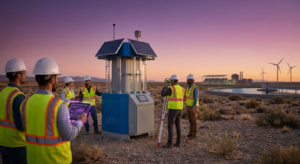
Spring is often viewed as a time for renewal, but for Project Managers and firm owners, it marks the start of the most aggressive hiring phase of the year. The ground thaws, the rain clears, and suddenly hundreds of infrastructure initiatives move from the planning phase to the field. For those specialized in green infrastructure, these months are particularly intense as environmental compliance becomes the immediate priority for every new site layout.
Recent data indicates that nearly 60% of infrastructure projects aim for a Q1 or early Q2 start date to maximize the workable weather window. This seasonal rush transforms the hiring market into a high stakes race where the best candidates are often off the market within days. Organizations that delayed their hiring decisions in January now find themselves caught in a talent crunch that requires aggressive Engineering Recruitment strategies to overcome.
Environmental professionals aren’t just an “add-on” to these projects any longer. They’re the gatekeepers of permit compliance and site safety. Without them, heavy machinery stays idle and budgets begin to bleed. It is a unique pressure cooker environment where the speed of recruitment directly dictates the success of a Multi-million dollar project launch.
Why March Marks the Construction Industry’s Peak Hiring Season
March represents the professional intersection of fiscal planning and physical reality. Many public agencies release their final funding disbursements this month, giving contractors the green light to finally staff up. It isn’t just about the weather, though the ability to break ground without freezing conditions is a massive driver for projects in the northern states.
Wait times for specialized talent typically peak during this window. Because so many firms are competing for the same pool of project engineers and compliance officers, the time-to-fill metric often stretches by two or three weeks compared to the winter lull. If you are not already interviewing by February, you are likely already behind your competitors.
Smart firms use construction staffing solutions to build a pipeline well before the official spring thaw. This proactive approach prevents the desperation hires that often lead to high turnover later in the summer. When everyone else is scrambling to fill a seat, these prepared companies are already refining their site workflows with a full roster.
The urgency is also driven by the construction labor shortage which has made the “warm body” approach to hiring impossible. You need specialized skills, particularly in the environmental sector, and those individuals know their worth. They are looking for stability and clear project timelines which become much more apparent as March rolls around.
Types of Environmental Projects Driving Current Demand
Demand isn’t just coming from one specific niche. We are seeing a massive uptick in brownfield redevelopment and urban revitalization projects that require extensive soil remediation work. These sites are often complex and require an environmental engineer who can manage both the regulatory paperwork and the physical site cleanup simultaneously.
Water treatment facility upgrades are another major factor this season. Many municipalities are utilizing federal grants to modernize their aging infrastructure, creating a surge in needs for lead-containment specialists and wastewater engineers. These are long-term commitments that require more than just a temporary contractor; they require a dedicated professional.
Renewable energy installations, particularly large-scale solar farms and wind projects, are also hitting their peak mobilization phase. These sites require pre-construction environmental impact surveys and ongoing monitoring that keep local talent pools incredibly tight. Following sustainable construction practices is no longer optional for these builds; it is the core of the project scope.
We are also seeing increased demand for coastal restoration and flood mitigation work. As climate patterns shift, regional governments are prioritizing “living shorelines” and other natural defenses. These projects require a nuanced understanding of local ecosystems, which means firms are searching for engineers with very specific regional experience.
Geographic Hotspots for Environmental Engineering Opportunities
While the demand is national, certain regions are feeling the heat more than others. The Sun Belt continues to see explosive growth in residential and commercial sectors, necessitating constant environmental oversight. States like Texas, Arizona, and Florida are currently the primary drivers for high-volume Construction Staffing needs this spring.
The Pacific Northwest remains a stronghold for specialized environmental engineering due to its strict regulatory environment. Here, the hiring cycle is less about volume and more about finding highly credentialed individuals who can navigate the complex state-level compliance hurdles. A single mistake here can halt a project for months.
The Northeast is seeing a resurgence in industrial decommissioning and port modernization. These projects often involve legacy contaminants, requiring engineers with deep experience in hazardous waste management. If you’re looking for work in these clusters, you’ll find that recruiters are moving faster than ever to secure qualified leads.
Midwestern states are focusing heavily on utility-scale energy transitions. This geographic variety means talent is often willing to relocate for the right role. When you understand how to choose you can better tap into these specific geographic clusters where the pay scales often reflect the high local demand.
Budget Allocations and Project Timelines Fueling Growth
The influx of federal infrastructure funding has fundamentally changed how projects are budgeted. We are seeing larger “early-stage” allocations specifically for environmental impact and site preparation. This means the money is available right now, and agencies are eager to spend it before the end of their reporting periods.
Timelines are also getting more compressed. Developers are trying to beat potential interest rate fluctuations or material cost increases by accelerating their project starts. This “hurry up” mentality means that an environmental engineer who might have had three months to complete a survey is now being asked to do it in six weeks.
- Federal infrastructure grants often require specific hiring quotas or local labor percentages.
- Q1 budget approvals lead to a massive spike in requisition orders by mid-March.
- Insurance requirements for new builds frequently mandate an on-site environmental safety officer.
This financial pressure creates a vacuum in the talent market. When five different firms all receive funding for their projects on the same Tuesday, they all hit the market for Engineering Recruitment help at the same time. The result is a highly competitive environment where candidates often receive multiple offers within a single week of looking.
Managers must realize that their internal HR teams might not be equipped to handle this seasonal surge alone. Utilizing a partner who understands the nuances of construction timelines can be the difference between hitting a project milestone and paying penalties for a delayed start. Are your current hiring workflows fast enough to keep up with this March velocity?
Essential Skills and Qualifications in High Demand
Technical Competencies Employers Are Prioritizing
The current surge in project launches has forced a shift in what qualifies as a top tier candidate. Employers aren’t just looking for generalists anymore. They want specialists who can hit the ground running on day one of a project. We are seeing a massive push for experts in remediation systems design and wastewater management specifically. These technical niches are critical because they dictate whether a project stays on schedule during the initial site prep phases.
Hiring managers are looking for engineers who understand the granular details of soil vapor extraction and groundwater treatment. If you have experience managing complex site assessments, you are already ahead of the pack. The ability to interpret hydrological data and turn it into actionable engineering plans is a rare skill set right now. Because of this, engineering recruitment efforts are focusing heavily on candidates with a proven track record in heavy infrastructure and high-density residential builds.
Air quality monitoring has also become a non-negotiable competency for March project starts. With stricter local emissions standards, companies need engineers who can design mitigation systems that go beyond basic compliance. And while technical math and science skills are the foundation, the application of these skills within a fast-moving construction environment is what truly matters. Most construction staffing experts agree that technical depth combined with field experience is the ultimate “unicorn” in the current talent market.
Field-based problem solving is just as important as office-based design. Can you troubleshoot a failing filtration system while a general contractor is breathing down your neck? That is the question we hear most often from clients. If your resume highlights specific instances where your technical intervention saved a project timeline, you will see much more interest. Using your technical knowledge to drive how to stand involves showcasing these specific wins to prospective employers.
Regulatory Knowledge That Sets Candidates Apart
Environmental engineering is as much about policy as it is about pipes and dirt. In California especially, the regulatory web is becoming more dense every single month. Candidates who deeply understand CEQA (California Environmental Quality Act) and NEPA (National Environmental Policy Act) are in high demand.
But simply knowing the names of these regulations isn’t enough. You need to know how to navigate them without stalling the project.
The most successful engineers right now can anticipate regulatory roadblocks before they happen. They know how to communicate with agencies like the EPA or local water boards to keep permits moving through the pipeline. When we look at socal construction hiring, it becomes clear that developers are paying a premium for regulatory fluency. It is much cheaper to hire an expensive engineer who knows the law than to pay for six months of project delays.
Wetland mitigation and endangered species protection are two other areas where knowledge is currently scarce. If you have successfully navigated a project through a sensitive habitat area, your market value is peaking right now. These projects require a delicate balance between development goals and environmental protection. Employers want to see that you can play “diplomat” between the construction crew and the environmental oversight committees.
Regional expertise also plays a massive role in candidate selection. Zoning laws in different cities can vary wildly. For instance, comparing the san diego vs. regulatory environments reveals how localized your knowledge needs to be. Understanding those micro-differences in local government expectations is often what determines if a project launch goes smoothly or grinds to a halt in its first month.
Software Proficiency and Digital Tools Expertise
The days of relying solely on paper blueprints and basic spreadsheets are long gone. Today, environmental engineers must be masters of the digital stack. Proficiency in AutoCAD and Civil 3D is still the baseline, but the market is moving toward more sophisticated modeling. We are seeing a huge demand for GIS (Geographic Information Systems) expertise to map out environmental impacts across large geographic areas.
Hydraulic modeling software like HEC-RAS or EPANET is becoming a standard requirement for many senior-level roles. These tools allow engineers to simulate real-world scenarios, such as flood risks or pollutant spread, before a single shovel hits the dirt. If you can prove that you use these tools to mitigate risk, you become an asset to the risk management team as well as the engineering team. Proficiency in BIM (Building Information Modeling) is also highly sought after for 2025 project launches.
Digital reporting tools are another area where candidates can differentiate themselves. Many firms are now using mobile-first apps to track environmental compliance on-site. Being comfortable with data collection in the field using tablets and synced cloud systems is vital.
It speeds up the reporting cycle and makes the QA/QC process much more efficient. If you are not comfortable with the latest tech, you are essentially working with one hand tied behind your back.
Data visualization is the final piece of the digital puzzle. Can you take complex environmental data and turn it into a chart that a non-technical stakeholder can understand? Modern software tools like Tableau or Power BI are being used more frequently in environmental consulting. Being able to visualize the “why” behind your engineering decisions helps build trust with clients and project owners who might not have a background in the sciences.
Cross-Functional Collaboration Abilities
Environmental engineers do not work in a vacuum. You are often the bridge between the design team, the construction crew, and the legal department. This requires a level of communication skill that many technical professionals overlook.
You have to be able to explain to a project manager why a certain remediation step is necessary, even if it adds three days to the schedule. Doing this without causing friction is an art form.
Conflict resolution is a daily part of the job on a busy job site. When environmental constraints clash with construction deadlines, the environmental engineer is usually in the middle. Employers are looking for people who can find the “middle ground” that keeps the project compliant without blowing the budget. This kind of pragmatic thinking is what separates mid-level engineers from those ready for leadership positions.
- Stakeholder Management: Communicating complex risks to investors and local community groups is a frequent necessity.
- Interdisciplinary Coordination: Working alongside structural engineers and architects to integrate sustainable systems into the primary build.
- Vendor Relations: Managing third-party labs and specialized environmental contractors to ensure data accuracy.
- Public Relations Support: Helping the communication team draft messaging regarding the project’s environmental footprint.
The ability to lead a meeting is just as important as the ability to lead a field survey. We find that the most successful placements involve engineers who are comfortable presenting their findings to a room full of diverse professionals. If you can speak the language of “finance” and “construction” while maintaining your “science” integrity, you will find yourself with multiple job offers this spring. Collaboration isn’t just a soft skill; it’s a project performance metric that firms are watching closely.
Compensation Trends and Market Dynamics
Salary Benchmarks Across Experience Levels
Tracking the current financial shift in the industry requires a detailed look at how experience translates to dollars. For junior environmental engineers with two to four years of experience, we are seeing base salaries start significantly higher than in previous spring cycles. Entry-level talent often expects a floor of seventy thousand dollars, but those with specialized field experience are frequently commanding much more.
Mid-level professionals with six to ten years in the field are the primary targets for most firms right now. These individuals often manage complex compliance audits and ground-water remediation projects without needing constant oversight. Because they are in such high demand, their compensation has spiked. In many markets, these engineers are clearing six figures easily, especially when they possess specific certifications or professional licenses.
Senior-level roles and department heads are seeing the most dramatic increases as firms look to find experienced leaders for major infrastructure starts. Total compensation for these positions often includes performance bonuses tied to project profitability and timeline milestones. When you look at engineering salaries 2025 data, it becomes clear that the gap between average and top-tier pay is widening. Firms are willing to pay a premium for those who can hit the ground running on day one.
And while base pay is the headline, the structure of these offers is changing to reflect the risk of the current market. Many companies are incorporating quarterly retention bonuses to ensure their staff does not get recruited away mid-project. Effective engineering recruitment strategies now require discussing these long-term financial incentives during the very first interview call. If the offer does not show a clear path for growth, candidates are moving on to the next opportunity within hours.
Benefits Packages That Attract Top Talent
Money is the foundation, but it is no longer the only factor for environmental engineers. Many of these professionals spend a significant amount of time traveling to remote job sites or working in challenging field conditions. This makes work-life balance and flexibility more than just buzzwords for them. They view these perks as essential components of their health and long-term career sustainability.
We are seeing firms offer enhanced medical coverage that starts on day one of employment rather than after a ninety-day waiting period. This is a massive selling point for candidates with families who fear a gap in their insurance. Additionally, generous 401k matching programs have become the industry standard for any firm hoping to be competitive. If you are not matching at least four to five percent, you are likely losing talent to the company down the street.
Flexible schedules and remote report-writing days are also becoming non-negotiable for many office-based roles. While field work obviously requires a physical presence, many firms are allowing engineers to handle documentation from home. This shift is one of the top 5 construction we see significantly impacting the way projects are managed. It shows a level of trust that many modern professionals demand from their employers.
Paid time off is the other major pillar of a modern benefits package. Many environmental engineers are seeing three or even four weeks of vacation time included in their initial hires. But it is not just about the amount of time; it is about the ability to actually use it without being tethered to a project phone. Organizations that respect these boundaries are seeing much higher retention rates during the busy March launch window.
Contract vs. Permanent Position Trade-offs
The choice between a staff role and a contract position has never been more nuanced for engineers. Many professionals are choosing contract work because it offers a higher hourly rate and more control over their schedule. For those who want to maximize their earnings during the peak spring and summer months, contracting is a logical path. They can often earn twenty to thirty percent more per hour than their salaried counterparts.
However, permanent roles offer a level of stability that is hard to ignore in a fluctuating economy. Salaried positions usually come with the comprehensive benefits mentioned above, along with more predictable career progression. These roles are ideal for engineers who want to grow within a single organization and take on leadership responsibilities over time. They value the security of knowing exactly where their next paycheck is coming from for the next five years.
Strategic construction staffing models often use a mix of both types to handle the March surge. Companies might hire permanent staff for their core projects while bringing on specialized contractors for short-term environmental assessments. This approach allows a firm to remain agile without over-committing to a massive permanent payroll. It also gives the company a chance to evaluate contractors for potential full-time roles later in the year.
But candidates are also becoming more savvy about these trade-offs. An engineer might take a contract role to build their resume with a specific high-profile project before looking for a senior permanent spot elsewhere. They understand that their skills are the currency of the market. Whether they choose a W2 salary or a 1099 hourly rate, they are looking for the best possible return on their technical expertise.
Regional Variations in Compensation Structures
Geography plays a massive role in what an environmental engineer can expect to earn. In high-cost areas like Southern California or the Bay Area, salaries are adjusted upward to account for the cost of living. But it is not just about expenses; it is about the local regulatory environment. States with stricter environmental laws often have a higher demand for engineers, which naturally drives up the market rate for their services.
In the Pacific Northwest, for example, we see a heavy focus on water quality and forestry compliance. This creates a niche market for engineers with those specific backgrounds, often leading to higher pay scales than in the Midwest. Meanwhile, in the Southeast, the focus on rapid residential and commercial development drives a different kind of demand. There, project speed and site remediation skills are often what determine a candidate’s worth at the negotiating table.
Current hiring trends suggest that even within a single state, variations can be stark. An engineer working in a major metro hub like Los Angeles may earn fifteen percent more than one working in a more rural county. But the rural role might offer a lower cost of moving and better quality of life, which some candidates prefer. Recruiter data shows that “location-adjusted” pay is becoming a central part of the conversation for remote-capable roles.
So, why does this matter for your hiring plan? If you are a national firm, you cannot use a one-size-fits-all salary scale anymore. You have to look at the local micro-market to see what the competition is offering.
Candidates are doing their research on platforms and through professional networks. If your regional offer is even slightly below the local average, your time-to-fill will likely double or triple during the critical March hiring window.
Strategic Recruitment Approaches for Employers
Building Competitive Job Descriptions That Convert
Your job description is rarely just a list of responsibilities. It’s actually a sales document designed to attract high-level talent in a market where candidates have multiple offers. When focusing on engineering recruitment strategies, the first priority is clarity over jargon. Specificity regarding the project scope can make or break your conversion rate.
Are you listing the specific software requirements like AutoCAD or Civil 3D? Or are you describing the actual environmental impact the hire will make? Candidates for environmental engineer jobs want to know the “why” behind the project. They are looking for roles where their expertise in remediation or compliance actually matters to the local ecosystem.
Avoid the trap of the “unicorn” job post that asks for fifteen years of experience in ten different niches. If your requirements are too broad, you’ll scare off qualified professionals who feel they don’t check every single box. Focusing on the three most critical technical skills allows for a wider, more diverse talent pool. This approach often leads to better construction staffing outcomes because it prioritizes core competency over a bloated wish list.
Transparency regarding salary ranges and hybrid work options is no longer optional. But many firms still hide these details until the third interview. High-performing engineers won’t wait that long. By putting your best foot forward in the initial posting, you reduce your time-to-fill and filter for candidates who are genuinely aligned with your compensation structure.
Streamlining Interview Processes to Secure Candidates
Speed is the most valuable currency in the current hiring market. If your interview process drags on for three weeks, you will lose talent to more agile competitors. We often see firms lose great candidates because of a “lag” between the second and third interview stages. A disorganized schedule suggests a disorganized workplace culture.
Can you consolidate your technical assessment and culture fit into a single afternoon? Using structured interview panels helps maintain consistency across different hiring managers. This ensures every candidate is evaluated against the same metrics, which is vital for maintaining DEI standards and making objective hiring decisions. It also shows the candidate that you respect their time.
Communication during this phase is just as important as the interview itself. Even if you haven’t made a final decision, a quick check-in email keeps the candidate engaged. In the realm of project engineer hiring, silence is often interpreted as a “no.” If a candidate suspects they aren’t the top choice, they will likely accept a competing offer before you’ve finished your internal deliberations.
Consider the logistical hurdles that specialized mechanical engineering recruiters often face when placing talent. Remote initial screenings via video can save days of scheduling back-and-forth. This allows you to vet technical proficiency before committing to an in-person site visit or office meeting. A faster process doesn’t mean a rushed one, it just means removing unnecessary friction from the workflow.
Leveraging Industry Networks and Professional Associations
Active recruitment means looking beyond the major job boards. While LinkedIn is a staple, the most experienced environmental engineers are often found through niche professional circles. Organizations like the American Society of Civil Engineers (ASCE) or the Solid Waste Association of North America (SWANA) are gold mines for specialized talent. Engaging with these groups builds your brand long before a vacancy even opens.
Networking isn’t about asking for resumes every time you have a project launch. It is about building a presence within the community so candidates think of you first when they are ready for a move. Many civil engineering recruiters rely on these long-term relationships to find “passive” candidates. These are the professionals who aren’t browsing job boards but are open to the right conversation.
Employee referral programs are another overlooked asset. Your current engineers are your best recruiters. They understand the company culture and the technical demands of the project better than anyone else.
Offering a referral bonus creates an incentive for them to tap into their own alumni networks or former colleagues. This often results in a higher quality of hire and better cultural alignment from day one.
Don’t ignore the value of local university partnerships, especially for junior and mid-level roles. Building a pipeline with schools that have strong environmental or civil engineering programs ensures a steady flow of fresh talent. As noted in the 2026 outlook: construction report, early-career engagement is becoming a cornerstone of sustainable workforce planning. If you aren’t visible at the campus level, you’re missing out on the next generation of leadership.
Retention Strategies for Long-Term Project Success
The cost of replacing an engineer mid-project is astronomical. Not only do you lose their technical knowledge, but you also face significant delays and recruitment fees. Retention begins the moment the offer letter is signed, not months later during a performance review. A solid onboarding experience sets the tone for the entire tenure of the employee.
Does your firm offer clear paths for professional development? Environmental engineers are often driven by the desire to solve complex problems and advance their technical certifications. Providing a budget for continuing education or professional licensure shows that you are invested in their long-term growth. People stay where they feel they are progressing, not just working.
Flexible work arrangements are also a major factor in modern construction recruitment trends. While site visits are mandatory for many environmental roles, providing “desk time” flexibility can prevent burnout. Burnout is a leading cause of turnover in civil engineering, where project deadlines can become intense during the spring and summer ramp-up periods. Recognizing the human element is key to keeping your project teams intact.
Finally, regular feedback loops are essential for identifying dissatisfaction before it turns into a resignation. Schedule monthly “stay interviews” to understand what your engineers need to succeed. Is it better equipment?
More administrative support? Or perhaps more autonomy over their specific work modules? Small adjustments made today can prevent a major staffing crisis six months down the road.
High retention rates aren’t an accident, they’re the result of intentional culture management.
Career Navigation for Environmental Engineering Professionals
Positioning Yourself for Premium Project Opportunities
Standing out in a crowded field of candidates requires more than just a solid degree and a few years of experience. You need to present your background as a solution to specific project pains, particularly as firms look for experts who can handle the influx of March project launches. Highlighting your experience with specialized engineering recruitment standards helps hiring managers see your immediate value.
Are you proficient in specific modeling software or familiar with the latest California environmental regulations? Don’t just list these as bullet points on a resume. Explain how your technical skills saved a previous employer money or shortened a permitting timeline. Detailed metrics transform a standard application into a compelling business case for your hire.
Focusing on certifications like the PE (Professional Engineer) or your LEED AP credentials signals to recruiters that you are ready for senior-level responsibilities. Many firms are currently searching for project manager recruiters to fill gaps in leadership for large-scale infrastructure tasks. Demonstrating that you can manage both technical data and project teams makes you a dual-threat candidate.
You should also clean up your digital presence to reflect your current expertise and professional goals. Ensure your LinkedIn profile uses industry-standard keywords that internal talent acquisition teams use to find specialized talent. A clear, project-focused summary can be the difference between getting a call or being overlooked during this busy hiring season.
Negotiating Offers in a Candidate-Driven Market
Environmental engineers are in high demand right now, which gives you significant leverage during the offer stage. You shouldn’t settle for the first number presented unless it truly reflects your market value and the specialized nature of the role. Take the time to research current salary benchmarks for your specific region and niche expertise.
While base salary is a major factor, don’t overlook total compensation packages that include signing bonuses, performance incentives, and professional development stipends. Many construction staffing experts note that firms are becoming more flexible with benefits to attract top-tier talent. Remote work options or flexible site schedules are also becoming common negotiation points in 2025.
How do you approach the conversation without appearing difficult to work with? Start by expressing genuine enthusiasm for the project and the company culture before discussing numbers. Frame your request around the specific impact you will bring to their upcoming March project launches. This shifts the focus from “what I want” to “what I am worth based on the value I provide.”
If a firm cannot meet your salary requirements, consider asking for non-monetary perks that matter to you. Extra vacation time, a clear path to partnership, or tuition reimbursement for advanced certifications can be just as valuable as a few extra thousand dollars in salary. Always get the final agreement in writing to ensure all negotiated terms are honored.
Building Professional Networks During Peak Hiring
Networking shouldn’t be something you only do when you are actively looking for a new job. Maintaining a strong web of professional contacts ensures you are the first person who comes to mind when premium opportunities arise. Attend local industry mixers or join professional organizations like the ASCE to stay connected with peers and leaders.
Engaging with electrical engineering recruiters and other specialized staffing professionals can also broaden your perspective on the market. These experts often have insights into projects that haven’t been publicly announced yet. Building these relationships early gives you a significant head start over candidates who only apply through public job boards.
Social media platforms are another powerful tool for networking if used correctly and professionally. Share interesting articles about environmental technology or comment on project updates from major construction firms in your area. This consistent visibility keeps your name top-of-mind for hiring managers who are browsing for talent in anticipation of future growth.
And remember that networking is a two-way street that requires genuine effort. Offer to write a recommendation for a former colleague or share a job posting with your own network. These small gestures build professional capital that you can draw upon when you need a referral or inside information on a company’s hiring process.
Transitioning Between Public and Private Sector Roles
Moving from a government agency to a private firm (or vice versa) can feel like entering a completely different world. Private firms often prioritize speed and profit margins, while public sector roles might focus more on long-term sustainability and regulatory adherence. Understanding these cultural shifts is crucial for a successful transition during this uptick in environmental engineers demand.
If you are moving to the private sector, highlight your insider knowledge of permitting processes and regulatory requirements. This “insider” perspective is incredibly valuable to contractors who need to navigate complex bureaucracy quickly. Your ability to speak the language of government officials can save a private developer months of delays.
When moving toward the public sector, emphasize your efficiency and ability to manage tight project budgets. Government agencies are increasingly looking for professionals who can bring “private sector discipline” to public works projects. Show them that you understand how to maximize resources without compromising on safety or environmental standards.
But be prepared for differences in hiring timelines and compensation structures between these two worlds. Public sector jobs often have much longer application processes but offer superior job security and pension benefits. Private sector roles usually move faster and offer higher immediate pay but might involve more volatile project cycles. Knowing which environment suits your current lifestyle is key.
Future Outlook and Industry Predictions
Sustained Growth Projections Through 2024
The current surge in demand for specialized talent is not a temporary spike. We are witnessing a fundamental shift in how projects are staffed, specifically within the environmental sector. Data suggests that Engineering Recruitment needs will continue to climb as federal funding from infrastructure acts trickles down to specific municipal and private developments.
Most firms are currently operating at near-maximum capacity. This creates a backlog that will likely carry through the remainder of the year. Our internal data indicates that time-to-fill for senior environmental roles has increased by nearly 20% compared to last year. This trend means that firms waiting for the “perfect time” to hire might find themselves left behind as competitors secure top talent early.
The push for decarbonization and renewable energy integration is acting as a constant engine for growth. Whether it is remediation for old industrial sites or preparing for new wind farm interconnections, the need for licensed engineers remains high. Partnering with experienced engineering recruitment professionals helps firms stay ahead of these aggressive hiring cycles before the talent pool thins even further.
We expect to see specialized firms increasing their headcount by at least 15% before the fourth quarter. Salaries are also adjusting to reflect this scarcity. It is no longer just about the base pay, but the total package including remote flexibility and performance bonuses. Can your firm sustain its current project load without adding at least two more mid-level PEs this year?
Emerging Specializations and Niche Opportunities
General environmental knowledge is still valuable, but niche expertise is where the most intense competition now exists. We are seeing a massive uptick in requests for specialists in PFAS remediation and carbon sequestration. These are not just buzzwords anymore; they are critical components of modern construction staffing requirements for large-scale utility projects.
Coastal resiliency is another area where demand is outstripping supply. Engineers who understand both civil structures and marine ecosystems are becoming the “unicorns” of the industry. Because these roles are so specific, many companies are finding success by building your bench with contract-to-hire professionals who can prove their technical mettle on the job.
Regulatory compliance experts who can navigate the complex overlapping of state and federal environmental laws are also in high demand. If a project stalls because of a permit delay, it costs the contractor thousands per day. This is why having a proactive construction staffing strategy that includes compliance officers is becoming a standard move for tier-one firms.
Waste-to-energy projects and circular economy initiatives are also creating new job titles that didn’t exist five years ago. Hiring for these roles requires a recruiter who understands the subtle differences between a traditional chemical engineer and a process engineer focused on sustainability. Are you looking for a specialist or a generalist for your next big project launch?
Technology’s Impact on Environmental Engineering Roles
Technology is rapidly changing the daily workflow for environmental engineers. Tools like AI-driven site modeling and drone-based surveying are now mandatory skills rather than optional perks. This shift changes who you should hire. You need people who are comfortable with data analytics just as much as they are with soil samples.
Remote sensing technology and GIS integration are allowing engineers to monitor multiple sites simultaneously. This increases individual productivity but also raises the bar for technical proficiency. When we talk to candidates, we look for those who have used Digital Twins or advanced BIM software to predict environmental impacts before a single shovel hits the ground.
Automation in reporting is another massive shift. Engineers used to spend 40% of their time on manual documentation, but new software is shortening that window. This allows firms to handle more projects with the same number of staff, provided those staff members are tech-savvy. Using a construction estimator who understands these digital workflows ensures your bids remain accurate and competitive.
The intersection of “Green Tech” and “Prop Tech” is where the most innovative work is happening. Firms that adopt these tools early find it much easier to attract younger, high-performing talent. If your tech stack is outdated, you will struggle to hire the next generation of engineers who expect modern tools to do their jobs effectively.
Preparing for the Next Wave of Infrastructure Investment
Preparation is the difference between a profitable year and one spent chasing your tail. The next wave of investment will focus heavily on water infrastructure and grid modernization. Firms need to start mapping out their organizational charts now for the projects they expect to win six months from today.
One effective strategy is to secure your leadership team first. Having a seasoned construction superintendent on board can help stabilize a project site while you continue to recruit for the specialized engineering roles. This top-down approach ensures that the “boots on the ground” are managed effectively while the technical experts focus on design and compliance.
Success in this market requires a multi-pronged approach to talent acquisition. You cannot rely on job boards alone when every other firm is looking for the same three people. You need a proactive pipeline. This involves staying in touch with “passive” candidates who aren’t actively looking but would move for the right specialized opportunity.
Key Takeaways:
- Anticipate continued growth through the end of 2024 driven by federal infra-spend.
- Prioritize niche skills like PFAS remediation and carbon capture to stay competitive.
- Adopt modern tech stacks to attract top-tier talent and increase billable efficiency.
- Start the hiring process for Q3 and Q4 projects immediately to avoid the summer talent drought.
Don’t let your project pipeline stall because of a talent shortage. Whether you need specialized environmental engineers or a trusted construction superintendent to lead your field operations, we can help. Contact K2 Staffing today to build a team that can handle whatever the 2024 market throws your way.
Related Posts
- How to Choose the Right Staffing Agency for Recruiting Candidates
- How to Stand Out in a Competitive Job Market
- SoCal Construction Hiring Trends – Summer 2025: What LA Developers Need to Know
- 2026 Outlook: Construction & Engineering Hiring Trends Recruiters Should Watch
- Hiring MEP & Environmental Engineers in California: Market Trends 2025
- Temporary To Direct Hire, Building Your Bench Of Construction Talent For Seasonal Surges