Top 5 Construction Trends in 2025
NewsAugust 23, 2025
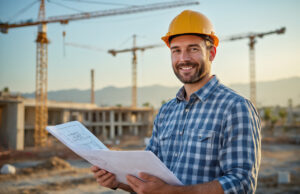
The construction industry is constantly evolving, and 2025 is no exception. With growing demand for sustainable living, smarter technology, and efficient project delivery, the latest trends are reshaping how we build. Whether you’re a homeowner, developer, or contractor, understanding these trends can help you make better decisions and stay ahead in a competitive market.
1. Smart Homes in 2025: A Growing Standard
Gone are the days when smart homes were just a luxury. In 2025, they’re quickly becoming the norm. Builders are incorporating smart features from the ground up, including:
-
Smart lighting and climate control systems
-
Advanced security with facial recognition
-
Voice-activated devices and automation hubs
-
Energy consumption monitoring
Why it matters:
Smart homes enhance convenience, energy efficiency, and long-term cost savings, making them highly appealing to buyers.
2. Sustainability Takes the Lead in Construction
Sustainability is no longer optional; it’s expected. In 2025, builders are increasingly using:
-
Recycled and renewable materials like bamboo, reclaimed wood, and recycled steel
-
High-performance insulation and low-emission windows
-
Solar panels and energy-efficient HVAC systems
Why it matters:
Environmental consciousness is a driving force for modern consumers. Green construction reduces energy bills and carbon footprints while improving indoor air quality.
3. The Rise of Modular and Prefabricated Builds
Prefabrication involves constructing sections of a building off-site and assembling them on location. This method is:
-
Faster than traditional builds
-
Cost-effective due to reduced labor
-
Consistently high in quality thanks to factory-controlled environments
Why it matters:
With rising labor costs and tight project deadlines, modular construction offers flexibility, speed, and scalability for both residential and commercial builds.
4. Tech-Driven Project Management Revolution
Construction software is transforming how projects are managed. In 2025, expect widespread use of:
-
Building Information Modeling (BIM) For more on this topic, read about Mechanical Engineers.
-
AI-driven scheduling and forecasting tools
-
Cloud-based collaboration platforms
-
Drone inspections and 3D scanning
Why it matters:
These technologies improve communication, minimize errors, and help stay on budget and on time.
5. Designing for Wellness and Comfort
There’s a growing trend toward designing homes and buildings that support physical and mental well-being. This includes:
-
Natural lighting and ventilation
-
Noise reduction strategies For more detail, see BLS support specialists.
-
Use of biophilic design elements (like indoor plants and natural materials)
Why it matters:
Post-pandemic living has shifted priorities. Homeowners want spaces that promote calm, focus, and comfort, not just functionality.
As we move further into 2025, the construction industry is embracing innovation at every level. From smarter, more connected homes to environmentally conscious building practices, these trends are shaping the future. Whether you’re a homeowner planning a build or a contractor looking to stay competitive, understanding these developments isn’t just beneficial; it’s essential. By integrating smart technology, sustainable materials, and efficient construction methods, you’re not only future-proofing your projects but also creating spaces that are more livable, valuable, and responsible.
Need skilled professionals to bring your construction vision to life? Contact K2 Staffing, and we’ll connect you with top-tier talent who are ready to help you build for the future.
At K2 Staffing, we combine our expertise in Construction Recruitment and Construction Staffing to serve employers and job seekers alike. Our specialized recruiters support critical roles such as Construction Project Manager Recruiters in Los Angeles, Construction Superintendent Recruiters in Los Angeles, and Electrical Engineering Recruiters in Long Beach. We also excel with Mechanical Engineering Recruiters in Los Angeles and Construction Estimator Recruiters in Long Beach.
What These Trends Mean for the Workforce
Smart Homes Need Skilled Installers and Coordinators
Smart building features only work when they are installed and tested correctly. Low-voltage wiring, network setup, sensors and control panels all need careful coordination with the electrical and framing crews. Problems often come from poor sequencing. A device may be placed before the wiring path is ready, or a control hub may not be tested until the walls are closed.
This puts a premium on electricians, technicians and project coordinators who understand both traditional trades and connected systems. Firms that plan for these roles early avoid rework and keep schedules intact.
Sustainability Calls for New Knowledge on Site
Green building is not only a design choice. It changes how crews work. Insulation must be installed without gaps. Windows must be sealed and flashed with care. Solar and efficient HVAC systems need exact placement and clean commissioning. Small errors can erase the benefit of premium materials.
Supervisors and foremen who know how these systems fit together are valuable. They can spot mistakes early and train crews on better methods. Employers should look for experience with energy-efficient assemblies and a willingness to keep learning.
Prefabrication Shifts Work From the Site to the Shop
Modular and prefabricated construction moves part of the labor into a controlled factory setting. That does not remove the need for skilled people. It changes where they work and what they do. Shops need fabricators, quality control staff and detailers. Sites need crane coordination, precise foundations and strong logistics planning.
Project managers on these jobs must manage delivery dates, transport and installation windows closely. A missed delivery can hold up an entire crew. Good planning is the difference between a fast build and an expensive delay.
Digital Tools Raise the Bar for Project Teams
Building Information Modeling, cloud platforms and drone tools create more data than ever. That data is only useful if someone reads it, shares it and acts on it. Teams need people who are comfortable with software and who can explain what the model shows to crews in the field. For more on this topic, read about Project Manager.
Superintendents, estimators and project engineers who can work in both the field and the digital space are in demand. They help catch clashes before construction and keep everyone working from the same information.
Wellness Design Adds Detail to Every Trade
Designing for light, air and quiet means attention to detail. Acoustic assemblies, ventilation systems and natural finishes all rely on good craftsmanship. A well-designed wall can fail its purpose if it is built poorly. Quality control becomes a daily task rather than a final check.
How Trends Change Project Planning
Bring Specialists In Earlier
New building methods work best when specialists join the project during design and preconstruction. Early input from installers, estimators and superintendents can shape details that are easier to build. It also helps the team spot supply issues, access problems and coordination gaps before they become costly.
Plan the Schedule Around Lead Times
Many modern products, from specialty windows to prefabricated units, have long lead times. Order dates must be tied to the schedule, and the team must track them closely. A simple procurement log reviewed each week can prevent surprises. Assign one person to own it.
Build Flexibility Into Contracts and Budgets
New technology can bring new risks. Pricing may shift, and early adopters may face a learning curve. Allow time and contingency for training, mockups and testing. A short pilot on a small area can show what works before you commit to a full rollout.
Balancing Cost, Risk and Value
Look at Life Cycle, Not Just First Cost
Many of the 2025 trends cost more up front but can lower operating costs over time. Efficient systems, durable materials and smart controls can reduce energy use and maintenance. Owners and developers should compare the full life of the building, not only the construction price.
Protect Quality During Fast Delivery
Speed is a major selling point of prefabrication and digital planning. But speed should not come at the cost of quality. Set clear inspection points. Document work as it happens. Give crews time to do careful work in critical areas such as waterproofing and air sealing.
Manage the Risk of Unfamiliar Methods
When a team tries something new, the risk is often in the details. Review each new method with the people who will do the work. Ask what could go wrong and how to prevent it. Keep records of lessons learned and share them on the next project.
Hiring for a Changing Industry
Skills Employers Should Look For
As methods change, the best hires combine solid fundamentals with an open mind. Strong blueprint reading, safety habits and trade knowledge still come first. On top of that, look for comfort with new tools, a habit of asking questions and a record of working well with other trades.
Ask candidates about the newest methods or software they have used. Ask what went well and what they would do differently. Their answers show how they learn and how honestly they reflect on their own work.
Roles That Are Growing in Importance
Several roles are becoming more central as these trends spread. Project engineers who manage models and data help teams stay coordinated. Estimators who understand prefabrication and specialty systems price work more accurately. Superintendents who can sequence factory-built components with site work keep schedules on track. Quality control specialists keep standards high as methods change. For more detail, see NIST cybersecurity framework.
Employers who plan for these roles early have an edge. Waiting until a project is underway makes the search harder and the cost higher.
Using Contract Talent to Fill Gaps
Not every company needs a full-time specialist for every new method. Contract professionals can bring in knowledge for a defined phase or project. They can also train your staff while they work. If the fit is strong, contract-to-hire lets both sides continue the relationship.
Advice for Job Seekers in Construction
Build Skills That Match the Trends
If you work in construction, now is a good time to add to your skill set. Learn the basics of Building Information Modeling. Get familiar with cloud tools used for plans and field reports. Take training in energy-efficient assemblies and in installation of modern systems. Even basic knowledge can set you apart from other candidates.
Show Your Experience Clearly
On your resume, describe the types of projects you have worked on and the tools and methods you used. Be specific about your role. Employers want to know whether you ran a crew, managed a schedule, built a model or solved a coordination problem. Clear details make it easier for a recruiter to match you with the right opening.
Keep Your Safety and Credentials Current
Safety training, licenses and certifications remain important. They show employers that you take your craft seriously. Keep records of your training and update them as new requirements appear. Good habits on safety also build trust with crews and supervisors.
Looking Ahead at Construction Technology and Culture
Collaboration Will Matter More
The trends in this post all depend on teamwork. Designers, builders, suppliers and owners must share information openly. Companies that build trust and communicate well will adapt faster than those that work in silos. Hiring people who value collaboration is as important as hiring for technical skill.
Training Will Become a Daily Habit
New methods will keep arriving. Companies that train their people regularly will adopt them more smoothly. Short toolbox talks, mentoring and hands-on demonstrations all help. Workers who feel supported are also more likely to stay with their employer. For more on this topic, read about Staffing Decisions.
Owners Will Expect Proof of Performance
As buildings become more connected and efficient, owners will want proof that systems perform as designed. Testing, commissioning and documentation will play a larger role. Teams that plan for this from the start will deliver smoother handovers and happier clients.
Practical Steps for Homeowners and Developers
Ask the Right Questions Before You Build
If you are planning a new build or a major renovation, start with clear goals. Decide which features matter most to you, such as energy savings, comfort, speed or technology. Then ask your builder how each trend fits your site, budget and schedule. A good contractor will explain the trade-offs in plain terms.
Ask who will manage the work and what experience they have with the methods you want. The person leading the site has a large effect on quality, safety and communication.
Plan for Maintenance and Support
Modern systems need care after the building is finished. Ask for clear manuals, training for building staff and a plan for service. Keep records of warranties and installation details. This protects your investment and makes future upgrades easier.
Choose a Team That Communicates Well
The best projects have teams that share updates early and often. Look for builders who hold regular meetings, track open issues and respond quickly. Good communication reduces surprises and keeps small concerns from turning into disputes.
Common Mistakes to Avoid
Chasing Every Trend at Once
It is tempting to add every new feature to a project. But too many changes at once can strain budgets and schedules. Pick the trends that bring the most value to your goals and add others over time.
Underestimating Training Needs
New tools and methods only help when people know how to use them. Leaders sometimes buy technology without planning for training. Set aside time and budget so crews and managers can learn properly.
Ignoring Staffing Until the Last Minute
Hiring late is one of the most common causes of delay. If your project calls for specialized skills, begin your search early. A longer runway gives you more choices and better results.
Safety and Quality in a Changing Industry
New Methods Bring New Hazards
Every new method changes the risk picture on site. Crane lifts for prefabricated units need careful planning. Work with new materials may call for different protective gear. Teams should review the hazards of each task before work starts and update safety plans as methods change.
Train Before You Build
A short training session before a new task begins can prevent injuries and rework. Walk through the steps with the crew, show a sample and invite questions. Workers who understand the plan are more likely to speak up when something looks wrong.
Document What You Learn
Keep simple records of what worked and what did not. Photos, short notes and checklists help the next team repeat success and avoid mistakes. Over time, this builds a company knowledge base that makes every project stronger.
Reward Careful Work
Teams do better when leaders recognize careful, safe and high-quality work. Thank crews who catch problems early. Share good examples across projects. A culture that values care over speed alone leads to better buildings and a stronger reputation.
Frequently Asked Questions
Are smart homes only for high-end projects?
No. Many smart features, such as connected thermostats and lighting controls, can be added to a wide range of projects. The key is to plan wiring and network needs early so that features can be added now or later without major rework.
Is modular construction right for every project?
Not always. It works best when designs are repeatable and when the site allows for delivery and lifting. Complex or highly custom designs may suit traditional methods better. A careful review during preconstruction can help you decide.
How can a small contractor adopt new technology?
Start small. Pick one tool or method that solves a real problem, such as scheduling or field reporting. Train a few people well, then expand. Avoid buying many tools at once.
How can a staffing firm help with these changes?
A construction staffing partner can find professionals who already have experience with newer methods and tools. It can also help you plan for contract or permanent roles as your needs grow.
Next Steps
Whether you are building smarter, greener or faster, the right people make the difference. K2 Staffing can help you:
- Find skilled construction professionals for current and upcoming projects
- Fill contract, contract-to-hire and permanent roles
- Connect job seekers with employers that value modern skills
- Plan staffing around new methods and technologies
Contact K2 Staffing to talk about your hiring goals or your next career move.
Related Posts
- The Year Ahead, Emerging Construction Staffing Trends Contractors Must Know In 2026
- Why Subcontractor Workforce Shortages Are Reshaping General Contractor Hiring
- Preventing July Turnover With Better Construction Talent Retention Systems
- How Construction Companies Use August to Lock in Skilled Talent for Q4 Demand
- Why Women Leaders Are Transforming Construction Recruitment in March 2026
- Spring Construction Surge Reveals Shortage of Licensed Crane Operators