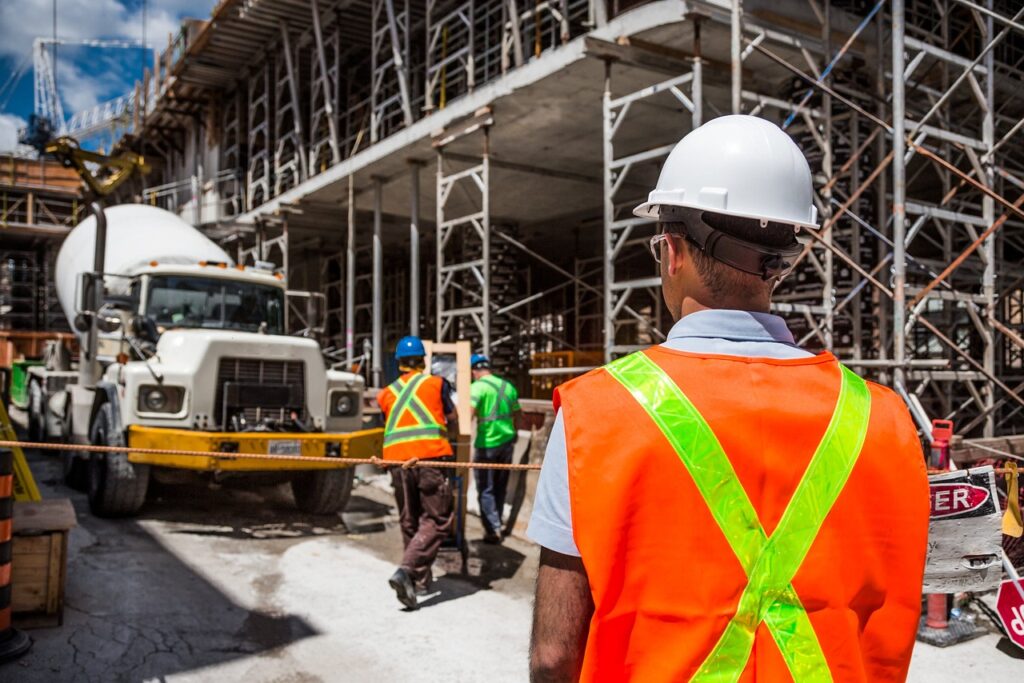
Women in Construction: Breaking Barriers in 2025
NewsJune 16, 2025

In what has historically been a male-dominated industry, women in construction are now gaining visibility and recognition like never before. From job sites to executive offices, female professionals are breaking long-standing barriers, leading high-impact teams, and actively shaping the industry’s evolving future.
The Evolving Role of Women in the Construction Industry
As of 2025, women make up about 11% of the construction workforce, a number that continues to rise steadily year after year. This growth reflects broader changes in access to education, training, and opportunities. Increasingly, women are entering construction trades directly through apprenticeship programs, technical colleges, and career development initiatives. Not only are they participating, but many are excelling, launching successful, female-owned construction firms and managing large-scale projects across North America and beyond.
Ongoing Challenges Women Face in Construction Careers
Despite this progress, significant challenges remain. Many women still experience gender bias and encounter systemic barriers in both field and leadership roles. One major issue is the lack of mentorship opportunities within skilled trades, which can limit professional growth and confidence. Additionally, there’s still a noticeable underrepresentation of women in senior management and leadership roles, making it harder to break into decision-making positions. Workplace culture and job site safety also remain concerns, particularly when environments are not inclusive or supportive of diversity.
How the Construction Industry Is Adapting and Becoming More Inclusive
Fortunately, the industry is beginning to change. With greater awareness and commitment from forward-thinking companies and organizations, the construction sector is becoming more supportive of gender diversity.
Mentorship and Networking for Women in Construction
Organizations such as the National Association of Women in Construction (NAWIC) and other industry groups are playing a critical role in supporting career development. These platforms provide mentorship, peer support, leadership training, and essential networking opportunities. By helping women connect, share experiences, and grow professionally, they’re strengthening the pipeline of talent within the field.
Inclusive Hiring and Workplace Culture Improvements
Progressive construction firms are reevaluating hiring practices and removing bias from recruitment processes. These companies are working to build inclusive construction work environments where women can thrive. Many are also implementing flexible work policies, offering benefits like parental leave, and creating clear communication channels for raising concerns about safety or workplace conduct. These steps are crucial to attracting and retaining top-tier female talent in all roles.
Promoting Women into Leadership Roles in Construction
In addition to inclusive hiring, many companies are now actively investing in internal leadership development programs. By offering targeted training, certifications, and clearly defined growth paths, businesses are creating opportunities for women to lead projects, not just support them. Encouraging women to take the lead on site management, project coordination, and even C-suite positions signals a deeper cultural shift within the industry.
The Future Is Female: Women in Construction Are Here to Stay
Today, women in construction are no longer a rarity, they’re becoming the standard. The benefits of embracing diversity are clear: stronger teams, innovative ideas, and more resilient organizations. As more companies prioritize gender equity and inclusive hiring, the construction industry will continue to evolve for the better.
Partner with K2 Staffing to Build Diverse Construction Teams
Looking to diversify your construction workforce with skilled professionals who bring leadership, expertise, and fresh perspectives? K2 Staffing specializes in helping companies build high-performing, inclusive teams with top-tier talent ready to make an impact. Let’s build the future, together.
Construction Recruitment and Construction Staffing are at the core of what we do at K2 Staffing. Our proven track record includes specialized roles like Electrical Engineering Recruiters in Long Beach, Construction Estimator Recruiters in Los Angeles, and Mechanical Engineering Recruiters in Los Angeles. We also connect top professionals through our Construction Superintendent Recruiters in Long Beach and Construction Project Manager Recruiters in Long Beach.
Why Women Choose Careers in the Construction Trades
Construction offers things many workers want. The work is hands-on and visible. Teams build real things that people use for decades. Pay can be strong, and many paths start without a four-year degree. For women who want stable work with room to grow, these are real advantages.
Meaningful Work and Visible Results
Few careers let you point to a finished building and say you helped create it. Many women describe pride in the physical results of their work. Whether the role is carpentry, electrical work, project management, or estimating, the connection to a tangible outcome keeps people motivated.
Earn While You Learn
Apprenticeships let workers earn a paycheck while they build skills. That structure suits people who want to avoid heavy student debt or who are changing careers. It also gives new workers a clear path from beginner to skilled professional. Women who start in a trade often move into lead, foreman, or management roles as they gain experience.
Variety of Roles Across the Industry
Construction is not only field work. Firms need estimators, schedulers, safety managers, engineers, designers, procurement specialists, and project managers. Some roles are on site every day. Others split time between the office and the field. This variety means there is a place for many strengths and interests.
Barriers That Still Need Attention
The industry has made progress, but progress is not the same as finished work. Employers who want to attract and keep women need to look honestly at how their workplaces operate.
Site Conditions and Practical Details
Some barriers are practical. Clean and private restroom facilities, properly fitted personal protective equipment, and tools that suit different body sizes all matter. These details affect safety and comfort every day. When a company ignores them, it sends a message about who the workplace was designed for.
Fixing these issues is usually simple. Ask workers what they need. Order gear in a full range of sizes. Plan site facilities at the start of the project, not after a complaint.
Informal Networks and Access to Opportunity
Much of construction runs on relationships. Jobs, promotions, and tough assignments often go to people who are known and trusted. If women are left out of informal conversations, they may miss chances to grow. Managers can help by making assignments through open and fair processes, and by making sure strong performers get visibility. For more on this topic, read about Staffing Decisions.
Respect and Conduct on the Job
Respectful behavior is a basic requirement for every worker. Companies need clear conduct policies, simple ways to report concerns, and leaders who act when problems arise. A policy that sits in a binder does nothing. Workers need to see that concerns are taken seriously and handled fairly. For more detail, see BLS support specialists.
What Employers Can Do to Attract and Keep Women
Companies that want a more diverse workforce need a plan. Good intentions are not enough. The following actions help firms of any size.
Improve Job Postings and Recruiting
Review your job postings with fresh eyes. Does the language welcome all qualified applicants? Do the requirements reflect what the job truly needs? Remove long lists of items that are not essential. Inflated lists can shrink your pool, because capable people may decide not to apply.
Reach out to places where women learn and network, such as trade schools, community colleges, and professional associations. Ask current employees to share openings in their networks.
Build Strong Onboarding and Mentorship
A new hire who joins a crew with no introduction can feel isolated. A structured onboarding plan changes that. Assign a mentor, explain site routines, and check in during the first weeks. Mentors do not need to be women, but they should be skilled, patient, and respected. Good mentors help new workers build confidence and learn faster.
Offer Flexibility Where the Work Allows
Not every construction role can be flexible, but many can offer more than people expect. Predictable schedules, advance notice of overtime, and clear leave policies help workers manage family and personal needs. In office roles, hybrid arrangements may be possible. Flexibility helps all employees, and it makes your company more attractive to many job seekers.
Measure Progress and Share It
Track hiring, promotion, and retention for all groups in your company. Look for patterns. If women join but leave early, find out why. Ask for honest feedback in exit conversations and stay interviews. Share what you learn with leaders and act on it.
Advice for Women Entering or Advancing in Construction
If you are exploring a construction career, you have many options. These ideas can help you start well and keep moving forward.
Explore Roles and Try Them Out
Talk to people in different trades and professional roles. Ask what a normal day looks like. Visit a training center if you can. Introductory programs let you try tools and tasks before you commit. A good fit comes from understanding the work, not guessing.
Build Technical and Leadership Skills Together
Strong technical skills earn respect on any site. Leadership skills open the door to bigger roles. Take safety training, pursue certifications, and learn to read plans and schedules. At the same time, practice clear communication and teamwork. Both sets of skills will serve you for years.
Find Mentors and Peers
Industry associations, local meetups, and online communities give you a chance to learn from others. A mentor can help you handle tough situations, evaluate job offers, and plan your next move. Peers can share advice on training, tools, and employers worth considering.
Choose Employers Carefully
Not every company is the same. Ask questions in interviews. How does the company train new workers? How are safety concerns raised? Who will you report to? What do current employees say about the culture? A good employer will welcome these questions and answer them directly.
The Business Case for Diverse Construction Teams
Diversity is not only a matter of fairness. It also supports good business. A wider talent pool is a practical answer to a tight labor market. Teams with different backgrounds bring different ways of solving problems, and that can improve planning, safety, and client relationships.
A Larger Talent Pool
When firms fish in only one pond, they limit their options. Opening your doors to more candidates gives you more chances to find the right person for a hard-to-fill role. For companies that struggle with open positions, this is among the most direct benefits.
Better Collaboration and Communication
Teams that respect different viewpoints tend to talk through problems more openly. That helps catch issues early. Clear communication on site supports safer work and smoother handoffs between trades.
Building a Safe and Supportive Crew Culture
Culture is the daily experience of working on your team. It shows up in how supervisors speak, how problems are handled, and who gets help when they need it. Strong culture does not happen by accident. Leaders build it through steady habits. For more detail, see CISA business guidance.
Set Expectations From Day One
Tell every new worker how the crew operates. Explain safety rules, communication norms, and what respect looks like. Repeat these points in toolbox talks. When expectations are clear and shared, fewer misunderstandings occur and everyone knows what is acceptable. For more on this topic, read about Construction Workers.
Train Supervisors in People Skills
Foremen and superintendents set the tone for the crew. Many were promoted for technical skill, not for managing people. Short training on feedback, conflict, and respectful communication pays off. Supervisors who can give calm, direct feedback keep crews focused and reduce turnover.
Respond Fast and Fairly to Concerns
When a worker raises a concern, listen first. Document what you hear. Look into it promptly and share what you can about the result. Workers will not report problems if they believe nothing will change. A reliable response builds trust across the whole crew.
Celebrate Skill and Contribution
Recognize good work openly and consistently. Praise accurate work, safe habits, and helpful teamwork. Make sure recognition is distributed fairly, so that no group feels overlooked. Small acts of appreciation add up and make a crew a place people want to stay.
Growing Leaders From Within
Leadership roles in construction are often filled from the field. That makes internal development one of the best ways to build a diverse leadership team over time.
Identify High Potential Early
Watch for people who solve problems, help others, and take ownership of results. Talk with them about their goals. Many capable workers have never been asked whether they want to lead. A simple conversation can change a career path.
Give Stretch Assignments With Support
Let rising workers lead a small task, run a toolbox talk, or coordinate a phase of work. Pair the assignment with coaching. Give honest feedback and a chance to try again. Growth comes from real responsibility with a safety net.
Sponsor, Not Just Mentor
A mentor gives advice. A sponsor speaks up for someone when decisions are made. Leaders can do both. Recommend capable people for promotions, special projects, and training. Sponsorship helps talented workers get noticed and trusted with bigger roles.
How Job Seekers and Employers Can Work Together
Good hiring is a two-way match. Employers want skills and reliability. Candidates want fair treatment, growth, and a safe workplace. Open conversation helps both sides.
For Candidates: Prepare and Ask Questions
Before an interview, review the job and think of examples that show your skills. Practice describing a problem you solved on a project. Prepare a few questions about training, safety, supervision, and advancement. Employers notice candidates who think carefully about fit.
For Employers: Be Transparent
Share the real picture of the job. Describe the crew, the schedule, the pay structure, and the growth paths. Do not oversell. A candidate who knows what to expect is more likely to stay once hired. Honest conversation at the start prevents surprises later.
Use a Partner Who Knows the Industry
A recruiter who understands construction can explain roles to candidates and describe candidates to employers in clear terms. That reduces mismatches and speeds up hiring. It also helps both sides find a better fit than a simple job board posting would.
Looking Ahead
The construction industry will need many skilled people in the years ahead. Companies that welcome talent from every background will have more options and stronger teams. Workers who build skills and seek out supportive employers will find real opportunity. Change takes time, but each small improvement counts, from a better onboarding plan to a fair promotion decision.
Frequently Asked Questions
What roles are open to women in construction?
All of them. Women work as carpenters, electricians, operators, estimators, project managers, superintendents, engineers, and safety professionals. The key is matching skills and interests to the right role.
Do I need a college degree to work in construction?
Not for many roles. Apprenticeships and on-the-job training lead to skilled trade careers. Some professional roles, such as engineering, usually call for a degree. Others value experience and certifications.
How can a company make its job sites more inclusive?
Start with the basics. Provide proper facilities and equipment, set clear conduct rules, train supervisors, and give workers a safe way to raise concerns. Then keep listening and improving.
How can a staffing firm help?
A staffing firm can widen your candidate pool, screen for skills, and match people to roles where they can succeed. It can also help job seekers find employers with strong workplaces.
Next Steps
Whether you are hiring or looking for your next role, K2 Staffing is ready to help.
- Employers can contact K2 Staffing to discuss open construction and engineering roles.
- Job seekers can reach out to share their experience and goals.
- Ask K2 Staffing how to widen your candidate pool for hard-to-fill positions.
- Start a conversation today about building a stronger and more inclusive team.
Related Posts
- Women in Construction Leadership Pipeline Challenges Recruitment Firms Face
- June Graduation Pipeline Creates Opportunities for Entry Level Construction Roles
- Leadership on the Jobsite: How Superintendents Shape Large-Scale Projects
- Construction Superintendents: The Rising Value of Field Leadership Experience
- Starting the Year Strong: How Construction Firms Should Rethink Hiring After the Holidays
- Executive Compensation Benchmarks for Construction Leadership Roles