Women in Construction Leadership Pipeline Challenges Recruitment Firms Face
Hiring ResourcesMarch 13, 2026

Understanding the Gender Gap in Construction Leadership
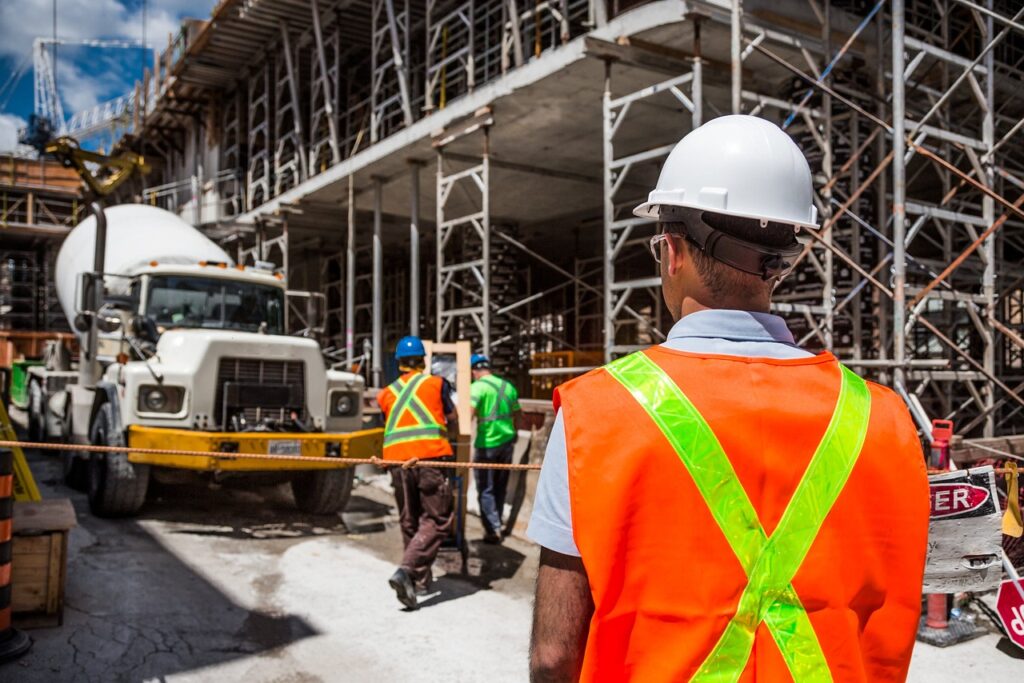
Walk onto any major jobsite today and you will see a world in transition. While the sound of heavy machinery remains constant, the faces behind the blueprints are slowly starting to change. For decades, the climb to the executive suite in this industry felt like an uphill battle against a sheer cliff face for female professionals. But the reality is that the talent is there, even if the pathway to the top remains narrow and cluttered with obstacles. We are seeing a shift where the need for specialized Engineering Recruitment is no longer just about filling seats, it is about finding the visionaries who have been overlooked for too long.
Recruiters often find themselves at the center of this friction point. On one hand, contractors are desperate for innovative leaders who can manage complex project risk. On the other hand, the pipeline for women in leadership often leaks before they reach the VP level.
Addressing these gaps requires more than just a diversity initiative or a one-time hiring push. It requires a deep understanding of why these disparities exist and how they impact the bottom line of a multi-million dollar project.
Current Statistics on Women in Senior Construction Roles
The numbers tell a story of slow progress mixed with significant stagnation. Currently, women make up roughly 10% to 11% of the total construction workforce. When you drill down into leadership positions, that number shrinks even further. Only about 7% of executive-level roles in the top 100 contracting firms are held by women. This disconnect creates a massive hurdle for construction staffing firms trying to present a balanced slate of candidates for C-suite roles. Statistics show that while entry-level hiring for female engineers is up, the “frozen middle” keeps them from advancing.
Data from recent labor reports suggests that women often leave the industry between their fifth and tenth year. This is exactly the timeframe when they should be transitioning into project manager or superintendent roles. Because of this mid-career exodus, the pool of candidates for senior operations roles is disproportionately small. This makes it incredibly difficult for firms to find experienced female talent who have managed the massive budgets required for heavy civil or commercial projects.
Furthermore, the gender pay gap in construction is actually narrower than in many other industries, with women earning about 99 cents for every dollar a man makes. Despite this, the lack of representation in field leadership remains a glaring issue. Most women in the industry are concentrated in administrative, legal, or HR roles rather than in the profit-generating side of operations. Without more women overseeing the actual building process, the path to the CEO chair remains largely blocked.
Historical Barriers That Created Today’s Leadership Shortage
You cannot fix a problem you do not understand the roots of. Historically, construction was built on a “boots on the ground” culture that prioritized visibility over output. This meant that if you were not on the site at 6:00 AM and staying until the last truck left, you were often seen as less committed. For many women balancing family responsibilities, this rigid structure acted as a gatekeeper. By understanding these women in construction challenges from previous decades, we can see why the current leadership bench is so thin.
Mentorship has also been historically lopsided. In this industry, who you know is often just as important as what you know. Traditional networking often happened in spaces or through activities that were not always inclusive.
This meant that high-potential female employees were frequently left out of the informal “inner circle” where project assignments and promotions are often decided. Without a sponsor to advocate for them in closed-door meetings, many talented women stayed stagnant in junior roles.
There is also the lingering perception of the “aggressive” leader. For a long time, leadership in construction was equated with a certain type of drill-sergeant communication style. This made it difficult for women to find their voice without being labeled. Learning how to communicate in a way that aligns with personal strengths while commanding respect on a jobsite is still a hurdle many face today. These cultural relics are the primary reason we see a shortage of senior female candidates now; the environment twenty years ago was not designed to keep them.
The Business Case for Gender-Diverse Leadership Teams
This is not just a matter of social responsibility; it is a matter of survival and profit. Companies with high levels of gender diversity are statistically more likely to outperform their competitors in terms of profitability. In a world where project margins are razor-thin, having a leadership team that approaches problem-solving from different angles is a massive advantage.
Diverse teams tend to be better at risk assessment, which is the heart of every successful construction project. When everyone in the room thinks the same way, expensive mistakes often go unnoticed.
Recruitment professionals often highlight that firms with women in leadership have higher overall retention rates. This is because these leaders often champion the top skills that focus on emotional intelligence and collaboration. When employees feel supported and see a clear path for growth, they stick around. In an industry plagued by a labor shortage, reducing turnover even by 5% can save a contractor millions in recruiting and training costs over several years.
Clients are also demanding it. Public and private owners are increasingly looking at the diversity metrics of the firms they hire. If your project team looks exactly the same as it did in 1990, you might be losing out on major contracts. Modern engineering recruitment relies on presenting a forward-thinking image to stakeholders. Firms that embrace diverse leadership are positioned as innovators, making them more attractive to the next generation of top-tier talent who prioritize inclusive cultures.
Industry Sectors with the Most Promise for Change
Not every sector of construction is moving at the same pace. We see a significant amount of progress in the renewable energy and technology-driven segments of the industry. These sectors do not have the same “old guard” baggage that some historical infrastructure firms carry.
Because they are newer, they have built their cultures from the ground up with diversity in mind. Companies in solar, wind power, and data center construction are finding that female leaders are essential to their rapid growth and technical evolution.
Preconstruction and BIM (Building Information Modeling) are also areas where women are making huge strides. Since these roles rely heavily on technology and strategic planning, they offer a different career trajectory than the traditional field-superintendent-to-VP path. As a result, more women are entering leadership through the technical side of the business. Successful firms are noticing that knowing how to choose a partner who understands these niche roles is the only way to stay competitive.
Commercial vertical construction is also seeing a shift as more owners demand modern management practices. We are seeing more women take the lead on high-profile urban developments. These projects require a high level of coordination between local governments, architects, and community stakeholders.
The collaborative leadership style often found in female executives is proving to be the secret sauce for getting these multi-year, complex projects across the finish line on time and under budget. The momentum is building, but we have a long way to go before 50/50 representation is a reality on the jobsite.
Systemic Challenges Recruitment Firms Encounter
Limited Pool of Senior-Level Female Candidates
The math is often the biggest hurdle we face. When we look at the executive levels of most civil or mechanical firms, the gender ratio is still heavily skewed. This is largely because the pipeline of women entering the industry twenty years ago was significantly smaller than it is today. As practitioners in engineering recruitment, we find that while entry-level roles have seen a surge in female representation, the mid-to-senior levels haven’t caught up yet.
Recruiters are often tasked with finding candidates who have fifteen to twenty years of specific project experience. If the talent pool from two decades ago was only 5% female, finding a qualified leader today becomes a needle-in-a-haystack scenario. Many talented women also exit the industry mid-career due to a lack of mentorship or flexible work options.
This means the number of available candidates shrinks even further as the roles get more senior. Have you noticed how many executive job descriptions still require hyper-specific onsite experience that few women were historically encouraged to pursue?
This shortage creates a bidding war. When a qualified female candidate does hit the market, every major firm wants her. We often see high turnover in these specific demographics because candidates are constantly being headhunted for better roles. To combat this, K2 Staffing focuses on identifying how to find who may have the right transferable skills even if they don’t hit every single traditional tenure milestone.
Client Bias and Unconscious Hiring Preferences
Even the most progressive firms can fall into the trap of “culture fit” bias. We often hear clients say they want a leader who can “handle the field” or who has “thick skin” to deal with certain subcontractors. While these phrases sound like project requirements, they are often coded language that favors male-dominated stereotypes of leadership. This makes construction staffing particularly difficult when trying to present a diverse slate of candidates.
Hiring managers often subconsciously look for a mirror image of the person who previously held the role. If that person was a thirty-year industry veteran with a specific communication style, a female candidate with a more collaborative approach might be viewed as “less authoritative” by a hiring committee. This creates a friction point for recruiters. We spend a significant amount of time educating clients on why a shift in leadership style can actually improve site safety and project morale.
Bias isn’t just about leadership style; it’s about perceived commitment. There’s a persistent, unfair assumption that female leaders might be less willing to travel for long-term projects or handle the rigorous “sun-up to sun-down” hours common in heavy civil work. Addressing these socal construction hiring requires us to challenge these assumptions before the interview even begins. If we don’t, the candidate usually senses the hesitation and takes their talent elsewhere.
Competing Against Other Industries for Top Talent
Construction doesn’t exist in a vacuum. We aren’t just competing with the firm down the street; we are competing with tech, manufacturing, and renewable energy. These industries often have more established DEI programs and offer more flexibility. When a highly skilled female engineer looks at her options, a remote-friendly tech role often looks more appealing than a job that requires staying in a trailer on a jobsite at 6:00 AM.
The current construction labor shortage has only intensified this competition. Firms that refuse to innovate their benefits packages or scheduling are losing out on female talent that values work-life integration. Why would a Project Manager choose a role with rigid hours when she can use her degree in an industry that offers four-day work weeks or hybrid options? It’s a tough sell for recruiters if the client’s culture feels like it’s stuck in 1995.
Recruiting firms have to act more like marketers in these situations. We have to sell the impact and the tangible legacy of building physical infrastructure to lure talent back from the tech world. But even the best sales pitch fails if the internal company culture doesn’t match the promise. We’ve seen great hires leave within six months because the “innovative” culture they were promised was just a facade for a traditional, exclusionary atmosphere.
Geographic Limitations in Candidate Availability
The physical nature of our work is a major hurdle. You can’t build a bridge from your living room. Because leadership roles usually require a presence on the jobsite, we are limited by the local talent pool. This is especially challenging when hiring a construction or other high-cost-of-living areas. If the female talent isn’t already living within a forty-mile radius, the recruitment process slows to a crawl.
- Relocation is a massive barrier for many senior-level women who may have established family roots or a spouse with a localized career.
- Commute times in major metro areas often force candidates to choose between career progression and family time.
- Certain regions have a much higher concentration of specialized talent, making rural projects incredibly difficult to staff with diverse leadership.
Working as civil engineering recruiters has shown us that even a twenty-mile difference in project location can change the candidate demographic entirely. If a firm isn’t willing to offer relocation assistance or travel stipends, they are effectively cutting off a huge portion of the female talent pool. We often suggest that clients look at satellite offices or regional hubs to bridge these geographic gaps. Without that flexibility, recruiters are forced to cycle through the same small list of local names, which rarely leads to a more diverse leadership team.
Pipeline Development Obstacles and Solutions
Early Career Retention Issues Among Women
Keeping female talent in the industry during those first five critical years is a persistent hurdle. Many women enter the field with high expectations, yet they often encounter isolation on job sites that haven’t fully modernized their culture. These early career professionals need to see a clear path forward, or they will likely pivot to other industries with more established support systems.
Recruiters often see a high turnover rate when entry-level roles lack structured onboarding or inclusive safety gear. When firms prioritize construction staffing strategies that address onsite culture, they see an immediate improvement in retention metrics. It is not just about the hire, it is about the environment they step into on Monday morning. Small adjustments to site facilities or scheduling can make a massive difference in whether a junior engineer stays for the long haul.
The statistical drop-off during these early stages is concerning for long-term pipeline health. Companies that fail to address these “leaks” in the talent funnel find themselves struggling to fill senior roles a decade later. We encourage firms to look at their internal feedback loops to understand why women might be exiting before their first promotion. Fixing these issues early saves thousands in future recruitment costs and preserves institutional knowledge.
Mid-Level Management Transition Gaps
The transition from field operations or design roles into senior management is where many women hit a glass ceiling. This “marzipan layer” of management often lacks the diversity seen in entry-level cohorts. Without intentional succession planning, talented women are overlooked for high-stakes leadership positions because they lack specific “battle-tested” field experience that was never offered to them.
Strategic engineering recruitment requires looking at vertical mobility rather than just lateral hires. If your firm isn’t actively moving women into roles like senior project manager or operations director, your leadership pipeline will remain stagnant. Most companies find that women in mid-level roles are eager for more responsibility but may feel sidelined during major project assignments.
Bridging this gap requires a proactive approach to project allocation and professional development. For example, working with project manager recruiters can help firms identify external female talent to fill these gaps while internal candidates are being groomed. Diversifying this middle tier ensures that the future C-suite has a representative pool of candidates to choose from when vacancies arise. How often does your firm audit the gender balance of its project leads?
Building Relationships with Educational Institutions
Recruitment doesn’t start at the job offer; it starts in the classroom and the laboratory. Developing deep ties with universities and trade schools allows construction firms to influence the curriculum and build brand awareness. Many students are unaware of the lucrative and diverse career paths available within modern construction and engineering firms.
By engaging with student groups, firms can showcase successful female role models who are already making waves in the industry. This visibility is vital for changing the perception of construction as a male-only domain. When students see women leading complex infrastructure projects, they are more likely to pursue those majors and internships. This early engagement creates a natural feeder system for your talent pipeline.
Investing in these partnerships pays dividends when it comes to hiring top-tier graduates. Our team often consults with mechanical engineering recruiters who emphasize that campus presence is the number one way to secure high-potential talent. Providing scholarships or sponsored capstone projects keeps your company at the top of mind for the brightest female graduates entering the workforce today.
Creating Mentorship and Sponsorship Networks
There is a distinct difference between a mentor who gives advice and a sponsor who advocates for your promotion. Both are essential for women navigating the complexities of the construction industry. Formal mentorship programs help junior staff learn the “unwritten rules” of the jobsite and the boardroom, reducing the feeling of isolation that often leads to burnout.
Sponsorship goes a step further by ensuring women are considered for high-visibility assignments and prestigious projects. This active advocacy is what moves the needle on diversity in senior leadership roles. Without a sponsor in the room, even the most talented female superintendent might be passed over for a regional director role. Firms that formalize these networks see much higher satisfaction rates among their female staff.
Many successes we see in electrical engineering recruiters circles stem from strong internal peer groups. These networks provide a safe space to discuss challenges and share solutions across different departments. It turns a group of individual employees into a powerful, interconnected workforce. Are your senior leaders incentivized to sponsor high-potential female talent within the organization?
For more on this topic, read about Recruiters Bridge. For more on this topic, read about Project Manager. For more detail, see BLS support specialists. For more detail, see CISA business guidance.
Related Posts
- Why Women Leaders Are Transforming Construction Recruitment in March 2026
- BIM and VDC Skills The Engineering Talent Gap K2 Staffing Sees Daily
- The Cost of Emergency Hiring When Fall Projects Start Without Adequate Engineering Talent
- The Fall Construction Hiring Cycle What Makes October Different From Other Months
- How Summer Construction Starts Reveal Gaps in Electrical Engineering Teams
- Engineering Recruitment Challenges: Why Electrical Talent Is Scarce in California