

The Impact of Independence Day Breaks on Critical Project Recruitment
NewsJuly 18, 2026
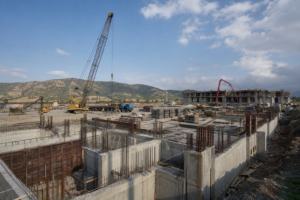
Understanding the Seasonal Recruitment Landscape for Construction
Ever feel like the construction hiring calendar runs on its own bizarre rhythm? Because it does. Successfully navigating Construction Recruitment, frankly, requires more than just posting a job and hoping for the best.
You need to understand the underlying currents of the industry, the seasonal shifts that dictate when talent is available, when projects ramp up, and when everyone, well, goes on vacation. It’s a strategic game, and ignoring the real-world flow of the year can leave your critical projects understaffed and behind schedule.
In construction, unlike many other sectors, staffing isn’t a continuous, linear process. There are distinct periods of high demand and relative lulls, all influenced by factors like project lifecycles, weather, and, yes, holidays. For firms aiming for consistent workforce performance, understanding these patterns is key to proactive planning and securing the best talent when it matters most.
The Traditional Peaks and Troughs of Construction Hiring
Construction hiring isn’t a flat line; it’s a series of peaks and troughs driven by project cycles and environmental factors. Spring traditionally sees a huge surge in recruitment as companies gear up for the busy building season. Think about it: warmer weather means groundbreaking, pouring concrete, and structural work can begin in earnest.
This demand continues strong through late summer and early fall, particularly for roles like project managers, superintendents, and skilled trades. We’ve seen this consistently across various regions and project types. For example, hiring a construction project manager in Los Angeles often hits its stride during this period, as new developments pick up speed.
Then, as winter approaches, especially in regions with harsher climates, the pace tends to slow down. Concrete might not cure as effectively, and exterior work becomes challenging. This isn’t to say hiring stops entirely, but the urgency often shifts from immediate project needs to strategic planning for the next year. Firms might be looking for commercial construction project who can join early in the new year or highly specialized engineering talent for longer-term design phases. But even in milder climates like Southern California, there are still noticeable fluctuations. Companies will need strong staffing services to manage these cyclical demands effectively.
How Holiday Periods Interrupt Standard Recruitment Cycles
Now, overlay those natural peaks and troughs with statutory holidays, and things get really interesting – and sometimes, really complicated. Holiday periods, particularly extended ones like Christmas/New Year’s, Thanksgiving, and even shorter breaks like Memorial Day or Labor Day, act like mini-disruptors to the standard recruitment flow. What happens?
Fewer candidates are actively looking or available for interviews, and key decision-makers on the client side are often out of office. This creates bottlenecks.
We’ve observed that construction staffing processes, which typically take weeks (or even months for highly specialized roles), can stretch significantly longer due to these breaks. Imagine you’re trying to fill a critical superintendent role, and the ideal candidate is on vacation for a week, then your hiring manager is out the following week. That’s two weeks right there where no progress is made. And for urgent projects, two weeks can feel like an eternity. Firms need to anticipate these slowdowns and factor them into their overall hiring strategy, especially when it comes to pivotal roles like those of construction superintendents, where interview questions and thorough vetting are crucial.
The Specific Challenges of Summer Break Recruitment
Summer, while a peak for construction activity, presents its own unique set of recruitment challenges, largely due to summer breaks and vacations. Families take trips, kids are out of school, and many professionals in the construction industry plan their extended time off during these months. This collective desire for a summer refresh invariably impacts the talent acquisition pipeline, making summer break recruitment a distinct beast.
Qualified candidates are simply less accessible. They might be less inclined to engage with recruiters, slower to respond to interview requests, or even completely unavailable for weeks at a time. This can mean a longer time-to-fill for open positions, increased competition for the available talent pool, and potential project delays if critical roles remain vacant. For organizations needing engineering recruitment during these hot months, the hurdles are even more pronounced given the specialized skill sets required. The market for skilled labor is already tight, and summer only exacerbates it. So, while projects in places like los angeles or irvine are in full swing, the process of finding the right people to staff them hits frequent roadblocks. Understanding these nuances is critical for effective planning and execution, especially when we look at specific holidays that fall during this period, such as Independence Day. You simply can’t ignore the human element of summer vacation planning in your recruitment strategy.
The Unique Hurdles Posed by Independence Day Breaks
Reduced Candidate Availability and Engagement
Independence Day isn’t just a day off; it’s often the anchor for extended summer vacations. So, when it rolls around, especially for critical construction projects that often require rapid staffing, candidate availability plummets. Pros in the construction industry, particularly those with highly specialized skills like construction project managers or Superintendent-level talent, are often taking well-deserved breaks with their families.
This means your carefully crafted job postings might be sitting unread, and outreach efforts from construction staffing firms might hit a wall of out-of-office replies. We’ve seen engagement rates drop significantly during this period, sometimes by as much as 30-40% compared to typical weeks. It’s not that candidates aren’t looking for new opportunities; it’s just that their focus shifts to personal time, making them less responsive to immediate recruitment inquiries.
This directly impacts time-to-fill metrics, pushing critical project timelines.
And let’s be real, even if a highly qualified candidate does see your message, they might not be in a headspace to engage deeply with a recruitment process while trying to relax. We’ve observed that candidates who do respond often express a desire to follow up after the holiday period, creating an instant bottleneck in the pipeline. This is particularly challenging when you’re trying to secure talent for roles that require immediate deployment, like a Construction Superintendent for a fast-approaching project in markets like long beach or anaheim. That delay, even if just for a week, can put significant strain on project schedules and budgets.
Delays in Interview Scheduling and Feedback Loops
Beyond candidate availability, the holiday period introduces significant friction into the interview process itself. Internal hiring managers and key decision-makers within construction firms are also taking vacations, which means scheduling interviews becomes a logistical nightmare. Imagine trying to coordinate a three-stage interview process for a critical engineering role when half your panel is out of office, and the other half is working limited hours. This isn’t just about scheduling; it also impacts feedback loops.
Getting timely, detailed feedback after an interview is crucial for keeping top talent engaged. If a candidate performs well in an initial interview but then waits an extra week or two for the next step because their potential manager is on vacation, they’re much more likely to lose interest or even accept another offer. In competitive markets, time is truly of the essence. We frequently see situations where a prime candidate, eager to make a move, becomes frustrated by slow internal processes exacerbated by holiday absences. This can be especially damaging when trying to secure experienced construction project or specialized engineering talent where demand often outstrips supply, as highlighted in current socal hiring trends.
Impact on Onboarding Timelines for Urgent Roles
The recruitment process doesn’t end with an accepted offer; onboarding is the next critical stage, and it too takes a hit during holiday periods. Many construction projects, especially those with tight deadlines, often have urgent roles that need to be filled immediately to avoid costly delays. If you’re bringing on a new Construction Superintendent, for example, they usually need to get up to speed quickly on project specifics, safety protocols, and team dynamics. But what happens if the HR department is short-staffed due to holidays, or the designated onboarding mentor is out of town?
New hires often require access to systems, project documentation, and introductions to key team members. When these processes are stalled, even for a few days, it can push back a new hire’s effective start date or, worse, leave them feeling disengaged and unsupported. This isn’t just an inconvenience; it can directly impact project momentum. For mission-critical roles, where every day counts, these onboarding delays can have a tangible financial cost. Properly managing the transition for new construction talent, particularly for those fulfilling urgent needs, is paramount for project success, and holidays make that an uphill battle. It’s a particular concern for firms looking to fill roles for major upcoming initiatives, where labor markets might.
Staffing Shortfalls within Recruitment Teams
Finally, let’s talk about the unsung heroes: the recruitment teams themselves. Whether it’s an in-house HR department or a dedicated construction staffing agency like K2 Staffing, these teams often face their own holiday-related staffing shortfalls. Recruiters, like everyone else, take vacations. This naturally leads to reduced capacity at a time when, ironically, the workload might even increase as firms try to push through last-minute hires before or after the holiday rush.
A smaller, stretched recruitment team means fewer hands on deck to source candidates, conduct initial screenings, or follow up diligently with both candidates and hiring managers. This can exacerbate all the issues mentioned above: slower responses to applicants, delayed internal communications, and a diminished ability to proactively search for talent. Even for high-performing construction staffing firms, managing this ebb and flow of resources during peak holiday periods requires significant forethought. It’s a delicate balancing act to ensure continuous progress on critical requisitions, especially when the demand for skilled labor for projects like those in san diego remains high. Effective workforce planning for your own team is crucial to navigate these holiday-induced challenges successfully.
Strategic Planning to Mitigate Holiday Recruitment Risks
Proactive Talent Pipelining and Relationship Building
Okay, let’s talk brass tacks about getting ahead. For critical project recruitment, especially around those tricky holiday periods like Independence Day, waiting until a role opens up is a recipe for disaster. You need a deep bench, right?
This isn’t just about having a database; it’s about nurturing relationships with top-tier talent long before a project even breaks ground. Think of it like building a robust network of subcontractors you trust. You know their capabilities, their availability, and their quality of work.
We apply the same strategic thinking to our talent pipeline.
Effective talent pipelining means consistently engaging with potential candidates, even when there’s no immediate opening. This could involve virtual coffee chats, sharing industry insights, or simply checking in. It helps you understand their career aspirations, their project preferences, and their “why.” When you identify the right individuals for roles like a Construction Project Manager, having these pre-existing connections radically shortens your time-to-fill, helping you navigate holiday lulls without breaking a sweat. It allows for a more personalized approach, which is crucial in a competitive market where strategic recruiting candidates makes all the difference. This proactive approach builds goodwill and keeps your firm top-of-mind, making candidates more likely to consider your opportunities when they arise, and perhaps even delay their vacation plans for the right fit.
Optimizing Job Posting Strategies Ahead of the Break
So, you know a holiday is coming. What’s your play for job postings? Just leaving them up and hoping for the best won’t cut it.
To mitigate the Independence Day recruitment impact, you need to be smart about when and how you post. This means getting your critical roles, especially those with tight deadlines related to project starts, advertised well in advance. Ideally, you want these postings live and generating buzz several weeks before the holiday, allowing enough time for initial applications and screening before people start mentally checking out for their long weekend.
And it’s not just about timing, it’s about content and visibility. Are your job descriptions compelling? Do they clearly articulate the project’s excitement and the role’s impact? For example, when staffing, we emphasize not just the responsibilities but the opportunities for leadership and growth. Leverage professional networks, specialized job boards, and even social media with targeted campaigns. Consider A/B testing different ad copy to see what resonates best with your target audience. You want to capture attention when candidates are most engaged, making sure your roles don’t get lost in the post-holiday rush when everyone else is suddenly posting. Think about what makes your role stand out, because you’re competing for attention during a typically slower period.
Leveraging Digital Tools for Continuous Candidate Engagement
In today’s construction staffing landscape, digital tools aren’t just a nice-to-have; they’re absolutely essential for continuous candidate engagement, especially when faced with holiday disruptions. We’re talking about more than just email. Applicant Tracking Systems (ATS), CRM platforms tailored for recruitment, and video conferencing tools become your best friends. These systems allow you to automate candidate communication, track interactions, and organize your pipeline efficiently, even when your hiring team is geographically dispersed or enjoying some well-deserved time off.
Imagine this: a candidate submits an application for a critical construction project manager on Friday before the holiday. An automated, personalized email acknowledges receipt, thanks them, and sets expectations for next steps. Throughout the holiday, your ATS can continue to screen resumes based on predefined criteria, flagging top candidates for human review immediately after the break. You can even use these tools to share relevant company news, project updates, or even articles about local industry trends with your talent pool, keeping them engaged and connected without requiring constant manual effort from your recruiters. This kind of consistent, automated engagement ensures that interest doesn’t wane just because the office is closed.
Rethinking Interview Processes for Remote Participation
The traditional in-person interview model can be a real bottleneck around holidays. People are traveling, taking time off, and scheduling becomes a nightmare. To overcome this, it’s time to fully embrace and optimize remote participation in your interview processes.
This isn’t just about offering video calls; it’s about structuring your entire interview workflow to accommodate flexibility without sacrificing rigor. Can initial screenings be managed asynchronously with pre-recorded video responses? Can panel interviews be conducted over a video conferencing tool with all participants joining from different locations?
Many firms have already adopted this for roles like superintendents, where field demands often make scheduling difficult. For instance, when identifying construction superintendents, we often conduct initial interviews via video, allowing candidates to participate from their current project sites or even home during their off-hours. This flexibility is a huge advantage during holiday periods. Standardizing your approach to remote interviews, ensuring all hiring managers are comfortable with the technology, and providing clear instructions to candidates can streamline the process. It keeps the momentum going, allows you to evaluate candidates effectively, and demonstrates that your company is adaptable and respects candidates’ time and commitments, especially around a major holiday like Independence Day.
Retaining Momentum for Critical Project Hires
Prioritizing ‘Must-Fill’ Roles with Dedicated Focus
When the Independence Day break hits, and your talent pool seems to shrink, the smartest move is to double down on your truly critical roles. Not every open position carries the same weight, especially when you’re contending with project deadlines and a tough market. So, how do you keep that momentum going?
It’s about strategic prioritization. Identify the roles that, if left unfilled, would bring a project to a screeching halt or significantly delay milestones. This might mean your senior project managers, specialized engineers, or key supervisory positions on active sites.
For these “must-fill” roles, a dedicated focus means more than just listing them internally. It calls for proactive engagement from your construction recruitment team or external partners. Have they already pre-qualified a shortlist of passive candidates who might be open to a move post-holiday?
Are your internal team members nurturing relationships with these high-priority candidates, ensuring they feel valued and aware of specific opportunities, even during slower periods? Often, the most qualified candidates aren’t actively looking; they need to be courted. This strategic effort ensures that when everyone else is easing back into work, you’re already positioned to accelerate.
Expedited Offer Management and Counter-Offer Preparedness
Timing is everything in Construction Recruitment, especially when you’re trying to retain momentum around a holiday. Once you’ve identified and interviewed a top candidate for a critical role, the last thing you want is for a slow offer process to derail everything. This is where expedited offer management comes into play.
Have all the necessary approvals, salary bands, and benefit packages pre-approved for your priority roles. When a suitable candidate is found, you should be able to extend a competitive offer almost immediately, minimizing the window for them to consider other opportunities or, worse still, be lured by a counter-offer from their current employer.
And speaking of counter-offers, prepare for them. It’s a common tactic, especially for experienced talent. Your recruitment team needs to understand the candidate’s core motivations for leaving. Is it career growth, compensation, project challenge, or work-life balance? If you know their “why,” you can better address potential counter-offers. Sometimes, a slight bump in salary from a current employer isn’t enough to outweigh a candidate’s desire for a more challenging role or a different company culture. Be ready to articulate the clear benefits and growth trajectory your offer presents, reinforcing why your opportunity is the better long-term move. This foresight can be the difference between securing a critical hire and losing them to a last-minute scramble. It’s part of how to choose to ensure they have this preparedness.
Effective Communication with Candidates During Lulls
Many companies hit the brakes on recruitment communication during a holiday lull, thinking candidates are also offline. But for dedicated construction professionals, things often don’t stop entirely. This offers a unique opportunity to build rapport and keep candidates engaged.
Effective communication doesn’t mean pestering them; it means thoughtful, timely, and respectful outreach. A simple check-in email wishing them a happy holiday, perhaps sharing an interesting industry article or a brief update on the project they’d be working on (without making demands), can go a long way.
This communication strategy shows genuine interest and sets you apart from firms that go completely silent. It also reinforces their interest in your project and company culture. For candidates who might be on the fence, consistent, positive engagement can tip the scales.
It’s about maintaining a warm lead, so they don’t feel forgotten or lose interest. When the holiday passes, your consistent communication means you’re already top-of-mind, making the transition back to active recruitment discussions much smoother. Think about it: a quick, personalized note can keep a candidate’s enthusiasm alive better than radio silence ever could.
Post-Holiday Acceleration Strategies
Once the Independence Day glow fades, it’s time to hit the ground running. Having a planned post-holiday acceleration strategy is crucial to quickly regain momentum in engineering recruitment. Firstly, schedule immediate follow-ups with all high-priority candidates who were in various stages of the interview process pre-holiday.
This includes interviewees, those awaiting offers, and top prospects you’ve been nurturing. Speed is important here, as other firms will also be re-engaging.
Secondly, leverage the refreshed perspective many people have after a break. Some candidates might have used their time off to seriously consider career changes or evaluate new opportunities. This can make them more receptive to your outreach.
Consider scheduling new interviews or even final decision calls early in the week following the holiday. Also, re-energize your internal teams. Conduct a quick strategy session to assess where you stand on key roles, what new insights (if any) emerged over the break, and how to allocate resources most effectively for the coming weeks.
By being proactive and having a clear plan, you can transform what might have been a recruitment slowdown into a slingshot, rapidly closing gaps on critical construction project staffing.
The Financial and Operational Repercussions of Delayed Hiring
Increased Project Overheads Due to Extended Timelines
Delaying critical hires, especially around holidays like Independence Day, directly translates into financial repercussions for construction firms. It’s not just about losing a few days of productivity, but often, it sets off a cascade of increased project overheads. Think about it: every day a project is extended, you’re still paying for site rentals, equipment leases, insurance, and sometimes even permits that might need renewal. These aren’t minor costs; they can quickly add up to tens of thousands, or even hundreds of thousands, of dollars depending on the project scale and complexity. For instance, a delay in staffing for a key role like a project manager or a specialized engineer means foundational work might halt or proceed at a snail’s pace, dragging out the overall timeline significantly. This directly impacts the construction labor shortage conversation. Have you ever considered the daily cost of a single crane sitting idle?
Furthermore, an extended timeline often means increased labor costs for existing staff who might be pulling overtime to cover the gaps. While commendable, this isn’t sustainable or efficient. Overtime rates are higher, and prolonged periods of extra work can lead to burnout, decreased morale, and even safety incidents.
When you factor in the administrative costs associated with managing delayed schedules, re-sequencing tasks, and communicating changes to all stakeholders, the financial drain becomes considerable. It’s a classic case where a seemingly small hiccup early on can have disproportionately large financial consequences down the line, affecting your bottom line and profitability.
Impact on Project Milestones and Client Satisfaction
Project milestones are the lifeblood of construction, serving as critical checkpoints that ensure a project is on track and within budget. When hiring delays occur, especially for crucial roles, these milestones are almost guaranteed to be missed. And missing milestones isn’t just an internal problem; it has a direct and often severe impact on client satisfaction.
Clients have expectations, and construction contracts often include penalty clauses for late delivery. A delay stemming from an unfilled engineering role, for example, can push back design reviews, procurement, and subsequent construction phases, causing a ripple effect across the entire project schedule. This isn’t just about financial penalties; it’s about reputation.
A client who experiences delays, particularly those preventable through strategic staffing, is less likely to rehire your firm or recommend you to others. In the highly competitive construction industry, a strong reputation for timely and quality delivery is paramount. Losing out on future projects due to a poor perception of reliability can be a far greater cost than any single project’s overruns. Think about the long-term strategic implications here; are you risking future business for a short-term staffing oversight? It’s a question worth asking, especially as you consider what to look to prevent such issues.
Strain on Existing Teams and Resource Allocation
When critical roles remain unfilled, the workload doesn’t simply disappear. Instead, it gets redistributed among the existing team members. This places an immense strain on your current workforce, leading to increased stress, longer hours, and a higher risk of errors.
Imagine a project where you’re short a key civil engineer during a critical design phase; other engineers may have to pick up the slack, diverting their attention from their own primary responsibilities. This can lead to a decrease in overall productivity and quality of work. It’s also a breeding ground for frustration and resentment, undermining team morale and cohesion.
Moreover, stretching existing resources too thin can lead to inefficient resource allocation. Staff might be pulled from other projects, causing delays there, or they might be asked to perform tasks outside their specialized skillset, compromising quality. This cascading effect creates a less efficient and more error-prone environment across all active projects. The increased burden on your team can also lead to higher turnover rates, as employees burn out and seek opportunities with firms that manage their staffing more effectively. This creates a vicious cycle: delays lead to strain, strain leads to turnover, and turnover leads to further delays. It also touches on how you find potential employees effectively.
Lost Opportunities from Staffing Gaps
Beyond the direct costs and internal team pressures, delayed hiring due to factors like Independence Day recruitment impact can result in significant lost opportunities. When your firm isn’t fully staffed, especially with specialized talent, you might be forced to turn down new project bids, particularly those requiring immediate mobilization or specific expertise. This is a tangible loss of potential revenue and market share.
Consider a scenario where a new, high-value project emerges, but you lack the necessary structural engineers or BIM/VDC managers to confidently bid and execute it. That’s a lost opportunity that directly impacts your company’s growth trajectory and competitive standing.
Furthermore, persistent staffing gaps can damage your reputation as a reliable and capable contractor, making it harder to win future bids even when you are fully staffed. Competitors, who are more proactive in their construction staffing strategies, will capitalize on your firm’s inability to take on work. This isn’t just about missing one project; it’s about a long-term erosion of your competitive edge.
In a dynamic market, the ability to rapidly scale and deploy skilled personnel is a significant advantage. Delays in hiring, as small as they may seem in isolation, can build up to missed growth opportunities that impact the very future of your enterprise. It’s why strategic engineering recruitment is truly critical.
The financial and operational repercussions of delayed hiring, especially around holiday periods, are far-reaching and can significantly undermine a construction firm’s profitability, reputation, and growth potential. From increased overheads and missed milestones to strained teams and lost opportunities, the costs quickly escalate. Proactive and strategic recruitment planning is not just an administrative task but a critical business imperative.
Firms that prioritize continuous recruitment efforts, even during traditionally slow periods, are those that will maintain their competitive edge, ensure project success, and foster a resilient workforce. Don’t let a holiday break derail your progress; partner with expert recruiters who understand the nuances of the construction industry to keep your projects on track and your talent pipeline robust.
Related Posts
- 10 Steps to Improve Your Resume
- San Diego Construction Projects to Watch in 2023
- How to Write an Amazing IT Support Job Description
- Five In-Demand IT Jobs You Should Be Hiring for in 2023
- How to Choose the Right Staffing Agency for Recruiting Candidates
- What to Look for When Hiring a Commercial Construction Project Manager
- What to Look for When Hiring a Help Desk Support Technician
- How to Find Potential Employees
- What Interview Questions Should I Ask a Construction Superintendent?
- Construction Labor Shortage in 2025
- SoCal Construction Hiring Trends – Summer 2025: What LA Developers Need to Know
- Top 5 Construction Trends in 2025